
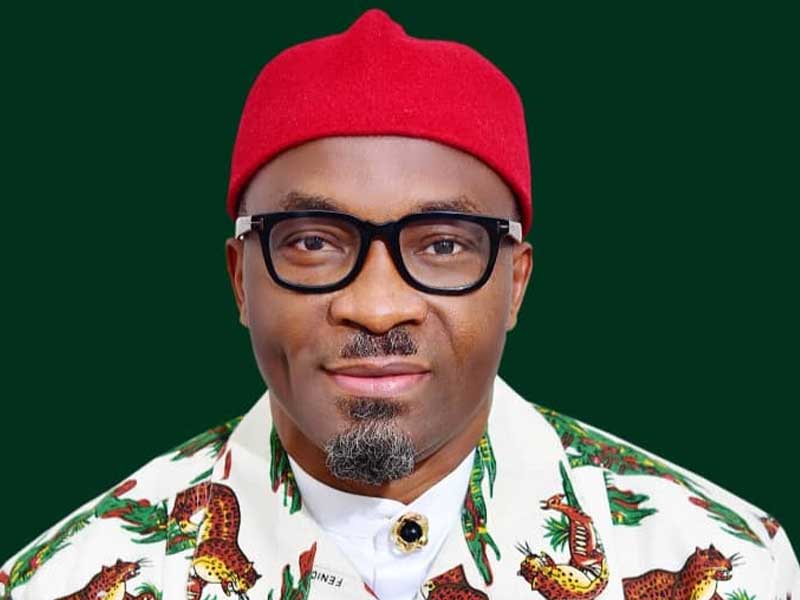
In a blunt, no-nonsense address during the joint retreat of the National Assembly’s Constitution Review Committee in Lagos, Benjamin Okezie Kalu (Deputy Speaker of the House of Representatives) made it clear: this is not business as usual. And Nigerians should pay attention.
Kalu began by acknowledging the media – yes, you-the-reporter – commending journalists for their role in national development. But he quickly pivoted: you also have to help spark the conversations that matter. Because the 10th Assembly isn’t tinkering at the edges; it’s looking to reshape things. He wanted newsrooms across Nigeria to “feel the pulse of 250 million Nigerians” and bring that into the legislative chamber. This is no longer just a belt-and-suspenders type job. (von.gov.ng)
Key Issues on the Table
Kalu listed the major reform battlefronts:
- Autonomy for local governments – “the third tier” needs to stop being a pawn.
- Reserved seats for women – not charity, but fairness and smarter governance.
- Citizenship by investment – yes, the phrase caught him. “Why are we not talking about that?” he asked.
- Judiciary reform, security challenges, economic fundamentals – all in the mix.
These aren’t minor-side-bars. They’re central to the conversation. (premiumtimesng.com)
He insisted: this is more than passing bills. According to him, the Assembly must behave like a house-builder: once the foundation is set, the bricks have to be laid one after another relentlessly so the building remains solid. The roof must not blow off at first wind.
“We have about 13 subject matters and 86 provisions that we are working on,” he said. He challenged media to help drive direct conversations, not just formal hearings. Because as he points out: you can’t rely only on hearings if you claim to speak for 250 million people. (von.gov.ng)
Media’s Role – and Yours
Straight talk: Kalu wants journalists to do more than record. He wants you to engage, to probe, to stir the national conversation. He told reporters: “The President reads the newspapers every morning… so your opinion counts.” If you fail to keep up, decisions get made in a vacuum. And don’t pretend that’s acceptable.
He also made a sharp personal confession: as Deputy Speaker and as Chairman of the Committee of the Whole, every report from every House Committee ends up on his desk. Whether it’s Ad hoc, Standard or any investigation — he reviews, flags, decides whether it goes forward. That means yes, he knows exactly what’s going on. (von.gov.ng)
The Fulcrum of Democracy
He didn’t sugar-coat it: “The fulcrum of our democracy is in the legislature. Remove it, there is no democracy.” If the House can’t make people believe in it, democracy fails. That’s the challenge for the 10th Assembly under his watch. (punchng.com)
He pointed out another problem: confusion between roles. Constituents blame federal lawmakers for things they have no constitutional power over, like collapsed school buildings. The message: be realistic about what the National Assembly can do — and yes, educate your people. Because if they expect you to do a governor’s job and you don’t, you’ll lose your seat. (von.gov.ng)
Tough Questions & Real Stakes
- Will local government autonomy mean real resources and independent elections, or just another headline?
- Will reserved seats for women shift representation or float like a token gesture?
- Is “citizenship by investment” going to be a serious policy or a flash-in-the-pan?
Kalu said: we must answer the question: What is best for Nigeria? Not for region, party, or personal ambition. (tvcnews.tv)
This is key: legitimacy of any constitutional reform, he argued, will depend on acceptance by the people. If citizens don’t buy into it, then what’s the point? (premiumtimesng.com)
What Comes Next
The scene is set: a retreat in Lagos, ambitious targets, and a lawmaker who wants something more than rhetoric. Kalu is signaling that the Assembly isn’t just doing check-boxes this time round. The reform process will be scrutinised — by Nigerians, by media, by history.
That said, the voyage ahead is steep. 13 subject matters, dozens of provisions, public expectations high, time short. The media — and you the citizen — have a role now more than ever: stay informed, stay asking tough questions, keep the pressure on.
The story doesn’t end here. The bills still need debates, harmonisation between Senate and House, assent by states, and most importantly, results. The promise: a Constitution that works. The gamble: if the process fails to deliver clarity, fairness and empowerment, then the next generation will ask: “What were they doing all that time?”
For now: the clock is ticking. The conversation has begun. And the 10th Assembly under Benjamin Kalu says it is ready to deliver.