
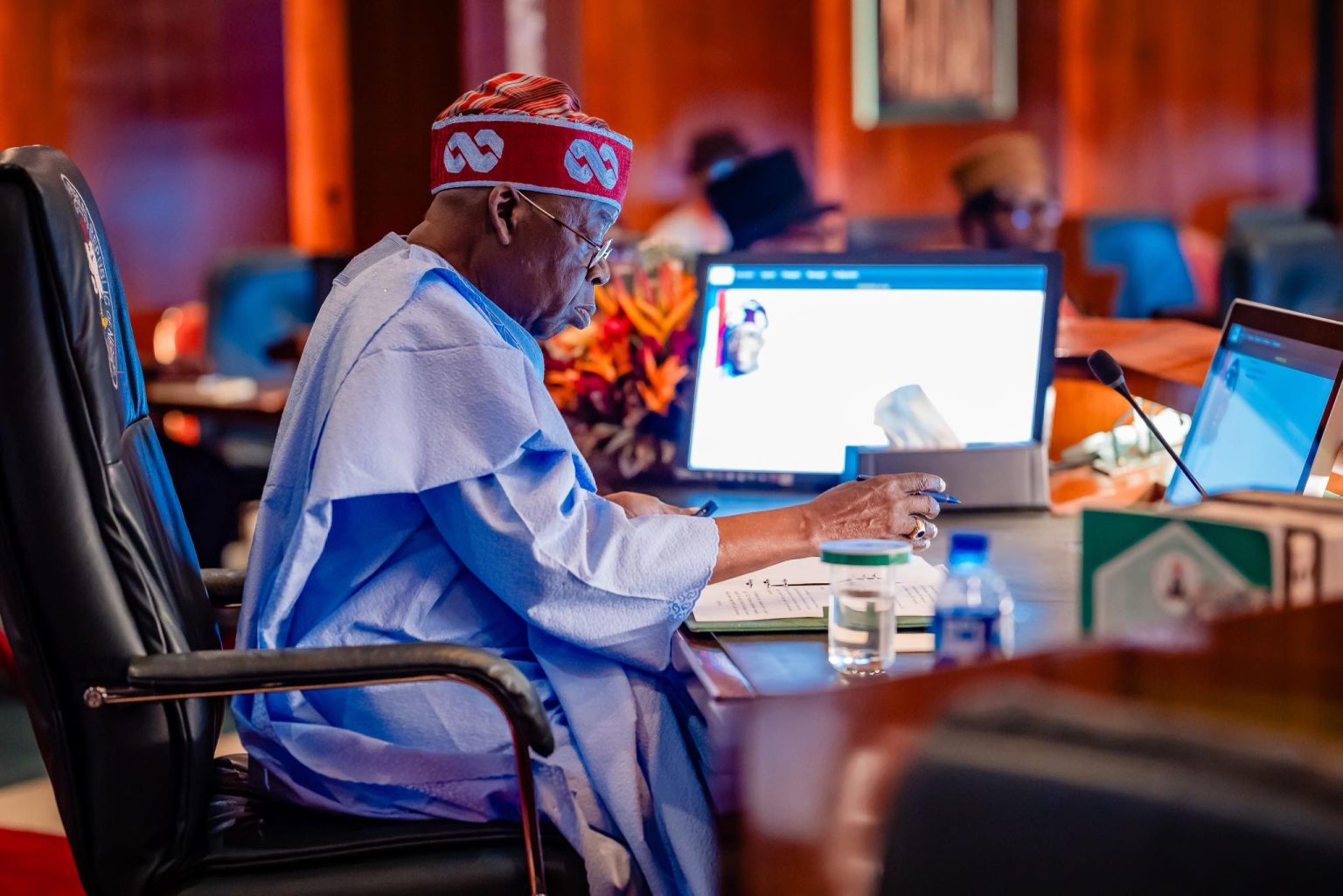
President Bola Ahmed Tinubu has dropped a political thunderbolt in Abuja, forwarding a fresh list of 32 ambassadorial nominees to the Senate for confirmation — barely days after sending an initial batch of three.
In two letters to Senate President Godswill Akpabio, Tinubu demanded an “expeditious” confirmation process for 15 career and 17 non-career nominees. The list stretches across Nigeria’s political class — from former governors to controversial public figures — and instantly ignited a national debate.
The Big Names on Tinubu’s List
The non-career ambassadorial nominees carry heavyweight political names:
- Mahmood Yakubu – immediate-past Chairman of INEC
- Reno Omokri – former presidential aide and outspoken commentator
- Femi Fani-Kayode – former Aviation Minister
- Ifeanyi Ugwuanyi – former Governor of Enugu State
- Okezie Ikpeazu – former Governor of Abia State
- Femi Pedro – former Lagos State Deputy Governor
- Florence Ajimobi – former Oyo First Lady
- Several ex-lawmakers, ex-commissioners, and former ambassadors
For the career diplomats, the list includes officers from Abia, Taraba, Adamawa, Kebbi, Bayelsa, Ebonyi, Ogun, Edo, Niger, and Ondo states, among others. The presidency confirmed that four women made the career list while six women are nominated as non-career envoys.
According to presidential spokesperson Bayo Onanuga, the envoys — once confirmed — will be deployed to strategic global capitals including China, India, UAE, South Africa, Canada, as well as multilateral missions at the United Nations, UNESCO, and the African Union.
Opposition Parties Explode: PDP Calls List “Scandalous, Reprehensible”
The fiercest backlash came from the Peoples Democratic Party (PDP), which issued a blistering statement through its National Publicity Secretary, Ini Ememobong. The party dismissed the list as a “reprehensible and scandalous selection of individuals with integrity deficits.”
PDP’s sharpest criticism focused on Mahmood Yakubu’s inclusion. The party argued that nominating the former INEC chairman “barely a month after leaving office” sends a dangerous message — one that looks like a reward for election controversies and a signal to future INEC leadership ahead of 2027.
PDP further described several nominees as “disgraced propagandists” and “characterless politicians,” warning that sending such individuals abroad would drag Nigeria into a diplomatic downward spiral.
Other opposition parties, including NNPP and ADC, echoed the condemnation. They accused the Tinubu administration of converting diplomatic postings into political compensation packages rather than merit-based national appointments.
Why 32 Nominees Now?
The timing is critical. In September 2023, Tinubu recalled all Nigerian ambassadors from 109 foreign missions worldwide. Many embassies have since been run by chargés d’affaires and senior consular officers — leaving Nigeria diplomatically under-represented for more than a year.
Insider sources indicated that delays stemmed from extensive security vetting and a reshuffling of previous lists due to deaths, ineligibility, and internal political negotiations. The latest 32-man list appears to be the administration’s attempt to finally fill vacant diplomatic seats.
But critics insist the new roster raises more questions than answers: Is this about restoring Nigeria’s global presence — or rewarding political loyalty?
What Happens Next?
The Senate now holds the spotlight. Confirmation hearings will test the qualifications and credibility of each nominee. The process will determine whether these individuals become international representatives of Nigeria or face public scrutiny that stops them in their tracks.
For Nigerians, this isn’t just another Abuja drama. These appointments shape the country’s global image. Once these envoys take their seats in Beijing, Washington, London, or at the UN, they become the face of Nigeria.
Whether this 32-name list elevates Nigeria’s diplomatic standing — or damages it — rests on the Senate’s judgment and the competence of the nominees who ultimately get the green light.