
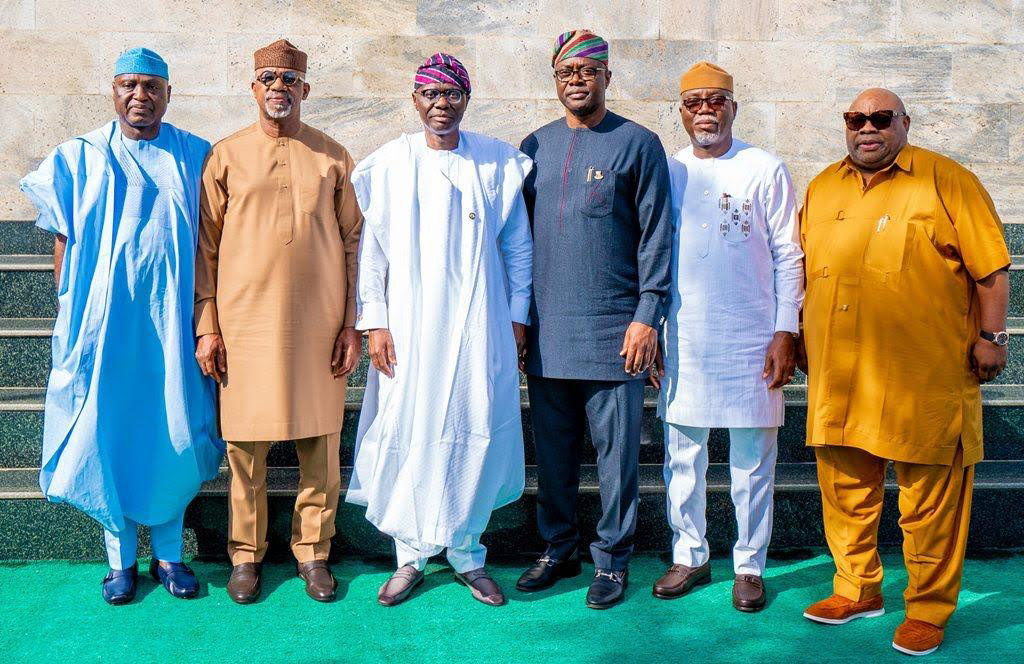
The predominantly Yoruba South-West zone of Nigeria is at it again. On October 29–30, 2025, in Akure, Afenifere and the Development Agenda for Western Nigeria (DAWN) Commission will host a two-day regional “citizen-government engagement summit”—the latest in a long line of high-profile gatherings of politicians, technocrats and traditional rulers all pledging to reposition the South-West for development. (lagostelevision.com)And yet: if you’re familiar with the region’s past, you’ll know there’s a sizable gap between the rhetoric and the reality.
A Legacy Built on Big Talk
For more than two decades, the South-West has attempted to revive the mantle of Chief Obafemi Awolowo—the progressive leader of the old Western Region whose emphasis on welfare, infrastructure and education remains the aspirational reference. The motive: to pool the six states (Lagos, Ogun, Oyo, Osun, Ondo, Ekiti) into a collective development machine.
The first major push came in 2001, when then-Lagos Governor Bola Tinubu convened an economic summit for the region. That effort, however, fizzled when partisan shifts in 2003 derailed follow-through.
In 2008 the DAWN Commission produced a blueprint in the so-called “DAWN Document” — yet state adoption was patchy, dependent on each governor’s whim. By 2012 and 2017 further forums took place (in Ado-Ekiti and Abeokuta respectively) with themes like “Creating a Common Future” and calls for harmonised taxes, shared infrastructure and rail links. None gained real traction.
One bright spot: the creation of the Amotekun Security Network in 2019 by the six governors under the South-West Governors’ Forum. That remains maybe the only relatively tangible result of a regional summit effort.
This Summit: Different Look, Same Question
Now: the summit in Akure promises more. With all six governors expected, along with ministers, senators, traditional rulers and civil society organisations, the message is: this time it will be different. (lagostelevision.com)
The theme: “Strengthening Democracy Through Dialogue: Assessing Progress, Charting the Future.” (guardian.ng)
The agenda: six thematic sessions covering fiscal reforms, economic development & job creation, social services, infrastructure & transportation, human capital development, and security & governance. (lagostelevision.com)
Meta-reality check: note the summit was postponed from October 9–10 to October 29–30 to “ensure meaningful participation” and better logistics. (newspeakonline.com) That already sets the mood: good intentions, but execution issues.
On the high end, the DAWN Director-General, Seye Oyeleye, says the commission now has a “solid synergy pattern” to ensure resolutions become action. Yet even he admits DAWN “lacks the authority to compel governors to act collectively.”
Track Record: Glorious Words, Meagre Outcomes
Let’s be blunt: the South-West region has produced summit after summit after summit — endless statements, communiqués, blueprints — but the change people see in roads, transport, agriculture, industrialisation, shared energy grids and rail links remains faint.
Observers note: nothing wrong with the ideas. The problem is the unwillingness of succeeding governors to institutionalise cooperation. Ego battles, party politics, shifting priorities kill momentum.
Yes, there have been some small wins: Amotekun is real. Some collaboration between states (e.g., Lagos-Ogun-Oyo on border/industrial corridor talks; Ondo-Ekiti on cocoa value-chains) is happening. The DAWN Commission has advanced a “South-West Economic Corridor” idea linking Lagos to other capitals. But most remain mere concepts.
An academic at Obafemi Awolowo University warned: “Beautiful plans dying on paper” is the recurring tragedy. The same region still fights poor infrastructure, disjointed transport, rural deprivation despite 20+ years of summits.
Skeptics Speak — And They’re Loud
From inside the region, scepticism is loud. A member of the ruling party, Alhaji Liadi Tella, called the current summit’s coordination “lukewarm,” pointed to limited publicity and youth/civil-society exclusion and warned the event risks being “another talk shop.” He urged state legislators to make regional commitments binding, and the six states to align with the South West Development Commission (SWDC) created by President Tinubu.
Meanwhile, former information expert Dr Olusanya Awosan said: “Yes, there will be a fine communiqué with impeccable grammar … but I doubt any serious implementation.” He fears the summit may be more about projecting a pro-Tinubu 2027 re-election narrative than real structural progress.
Opposition figure Chief Kosolowoe Ajisafe (PDP South-West vice-chairman) acknowledged the summit’s idea is “laudable” but emphasised the missing ingredient: sincerity among political leaders once press conferences end and cameras go off. He proposed an independent monitoring team of non-partisan experts, civil-society reps and private-sector leaders to hold states accountable.
Why It Matters Right Now
Why show concern? Because the South-West remains Nigeria’s economic powerhouse, home to Lagos, industrial hubs and the largest concentration of Yoruba human capital. If the region cooperated with fidelity—on transport (rail, highways), industrial corridors, agriculture value-chains, security and human-capital development—it could transform its fortunes. Instead, neighbouring zones (North-Central, South-East) watch and compare. Repeated summit-overload raises eyebrows: is this region building cooperation or constructing its own parallel power bloc?
Moreover, with general elections edging near (2027), politics will tighten and every platform—summits included—becomes weaponised. Ensuring that this summit remains a development tool rather than a campaign prop is critical.
What To Watch For
- Will the summit publish a clear, binding roadmap with timelines and responsible agencies?
- Will the six states sign a regional agreement (not just a statement) that’s ratified by state Houses of Assembly or backed by legislation?
- Will an independent monitoring mechanism be constituted, with transparent public reporting of progress?
- Will the six states follow up within 3-6 months of Akure with visible joint projects (e.g., inter-state rail feasibility study, regional tax harmonisation, border industrial corridor)?
- Or will we see the usual: high-profile gathering, communiqués, photo-ops — and then silence until next summit?
The summit in Akure may present a genuine opportunity for the South-West to break its summit-cycle syndrome. But the usual caveats apply: promising words are easy; sustained action is hard. If history is any guide, the region should require more than a speech to believe this time will be any different.