
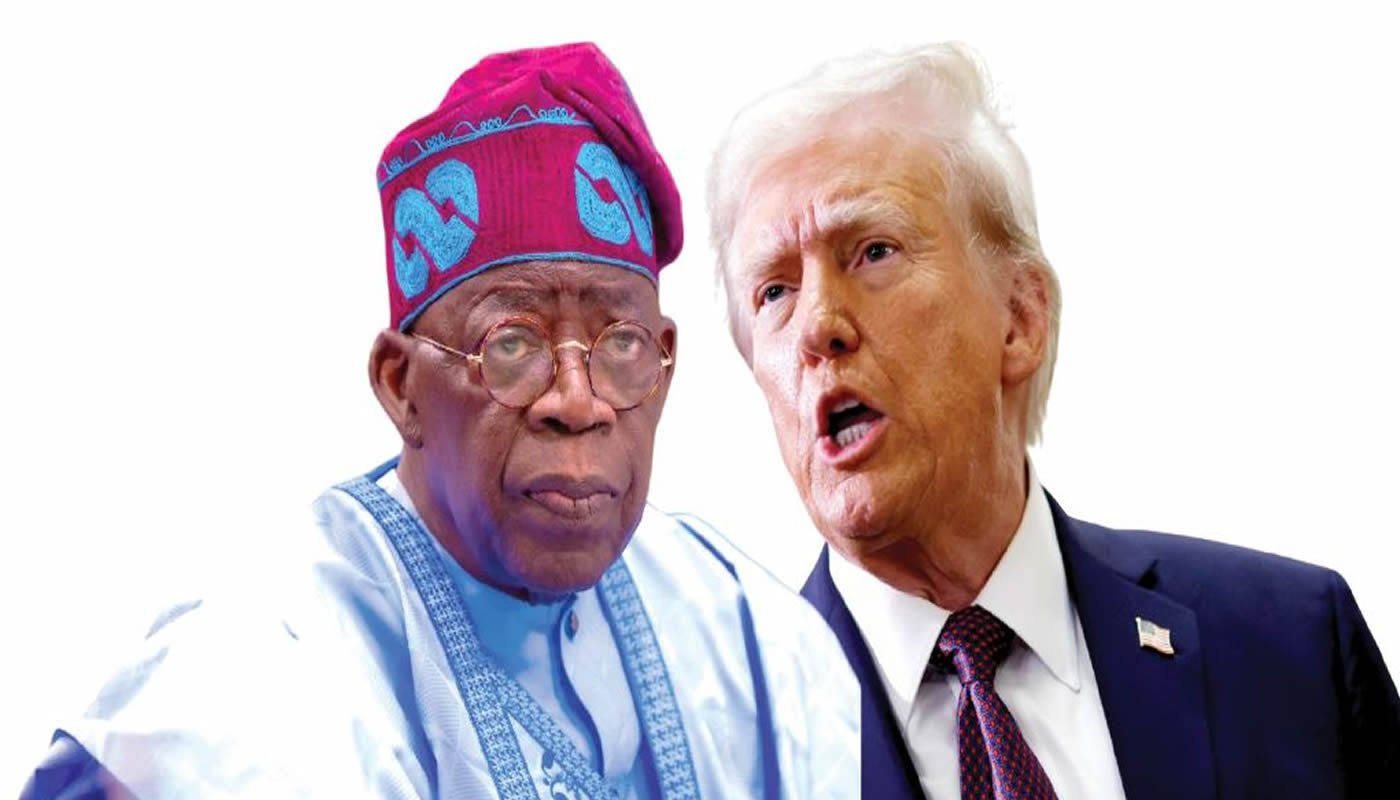
In a dramatic diplomatic escalation, the United States has officially designated Nigeria as a “Country of Particular Concern” (CPC) under the International Religious Freedom Act — signalling Washington’s deep concern over the Nigerian state’s failure to stop the killing of Christians, according to the U.S. government. (ABC News)
Here’s what’s happening — and why it matters for Nigeria’s credibility at home and abroad.
The Flashpoint
On 31 October 2025, Donald Trump announced the designation, stating that Nigeria is failing to protect Christians from violent assaults and hinting at possible U.S. sanctions — including aid cuts or even military involvement. (AP News)
This is not a small slap on the wrist. CPC status is one of the most serious diplomatic tools the U.S. uses when a country is deemed to be committing “systematic, ongoing, and egregious” religious-freedom violations. (ABC News)
Nigeria’s Response: Pushback and Rebuttal
The Nigerian government wasted no time rejecting the label. President Bola Tinubu said the CPC characterization “does not reflect our national reality” and reaffirmed that Nigeria protects citizens of all faiths. (Al Jazeera)
The Nigerian Ministry of Foreign Affairs and presidential advisers called the U.S. claims “gross exaggeration,” insisting the violence in Nigeria is not purely religious but woven into issues of terror, ranching/farming clashes, and criminality. (The Guardian Nigeria)
The Underlying Crisis: Facts on the Ground
For years, Nigeria has grappled with violent attacks across multiple fronts:
- In the Middle Belt, north-west and north-central regions, rural Christian communities, churches, pastors and markets have been targeted amid conflicts between herders and farmers.
- In the northeast, the resurgence of groups such as Boko Haram and Islamic State West Africa Province (ISWAP) also complicates the landscape. (Al Jazeera)
- But importantly: evidence indicates that the victims are not exclusively Christian. Analysts say both Christians and Muslims are being killed, attacked and displaced, and the drivers go beyond religion. (Politico)
This dual reality gives Nigeria a particularly complex problem: you cannot frame it as solely a religious war, but the religious lens has become unavoidable — thanks in part to how the U.S. has framed the issue.
Why This Matters (Beyond the Headlines)
This matter is bigger than narrative. Consider:
- Reputation risk: Being labelled a CPC carries the implication that Nigeria tolerates mass persecution of a faith-group. That sows mistrust among investors, donors, civil society and foreign governments.
- Aid & diplomacy: The U.S. aid pipeline could be affected; discussions of military action or sanctions are now in the air. (ABC News)
- Internal legitimacy: The voice of the state is weakened when, repeatedly, attacks happen and citizens ask: what’s the point of “security” if we’re left exposed? For example in Miango village, many are said to have given up on authority. (Al Jazeera)
The Real Question: What Are We Doing?
The labeling by the U.S. should feel like a red alert to Nigeria. But hotspots of violence have been simmering for years.
- Did the government treat the reports seriously?
- Did security agencies act decisively and transparently?
- Did the narrative stay focused on lives and structures, or did it get lost in platitudes?
If the answer is “poorly” or “inconsistently” — then yes, international consequences were predictable.
What Should Nigeria Do Now?
Here’s where bluntness counts: it’s not enough to issue press statements. The action must match the urgency.
- Regular citizen briefings – weekly updates on what’s being done, where, and with what results. Transparency builds trust.
- Multi-stakeholder roundtables – bring together government, religious leaders, civil society and community reps from affected areas. When voices are excluded from policy, resentment grows.
- Open-data initiative – a public dashboard tagged by region and religion (yes, religion matters), with numbers of attacks, victims, arrests, prosecutions and outcomes. No hidden stats.
These measures are not optional. They’re what turns narrative from “they’re killing us” to “we are solving this together.”
The Closing Reality
Nigeria does have the human resources, the moral authority and the international standing to fix this — but those things are wasted without visible, credible action.
If we own the narrative — not let the outside write it for us — we control our story. If we don’t, our reputation will continue to draw growing negative headlines, which in turn will harm tourism, investment, diplomacy — and ultimately, the lives of everyday Nigerians.
For the sake of our communities, faiths, and future: the time to act is now.