
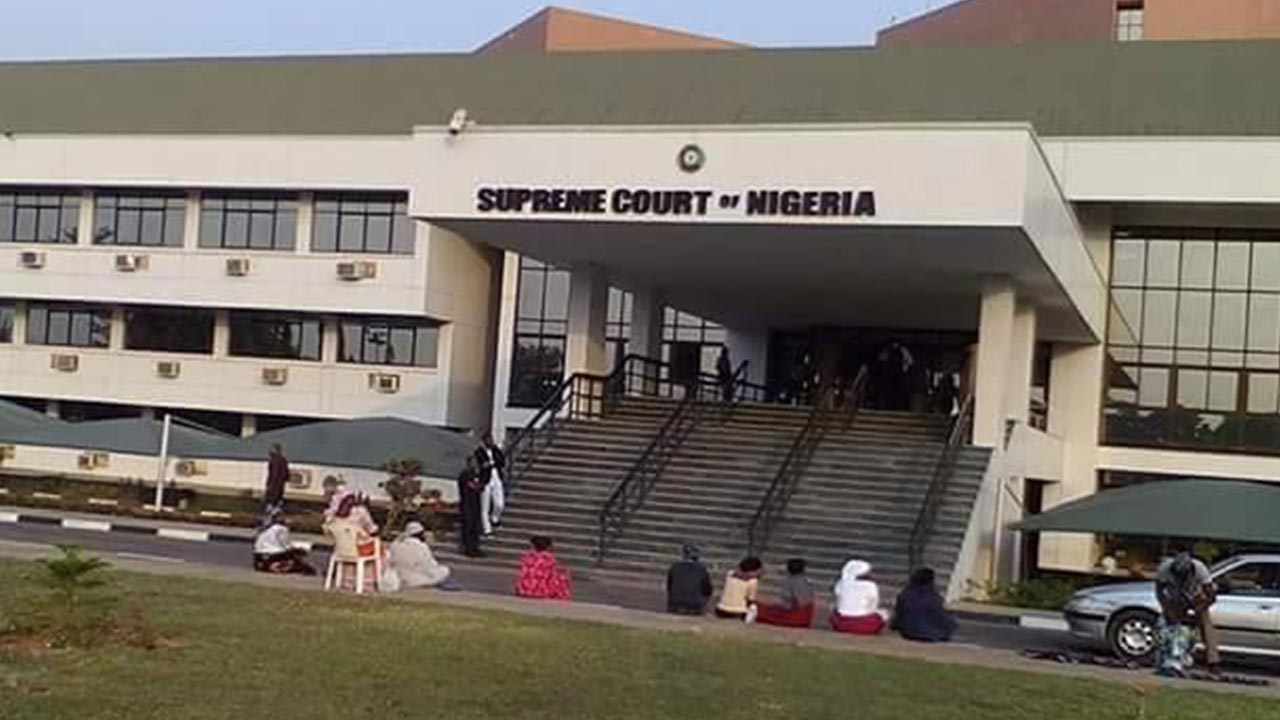
In a bold move that should have reshaped governance on the ground, the Supreme Court of Nigeria ruled on 11 July 2024 that Nigeria’s 774 local government councils must receive statutory allocations directly from the federation account—cutting the cord of the long-standing joint state–LG account and the chokehold of state governors on local finances. (constitutionnet.org)
By affirming that local governments are entitled to financial autonomy, the court declared the prior practice of channelling funds through state‐held joint accounts as unconstitutional. (constitutionnet.org) Many greeted this as a watershed for grassroots democracy. Yet, more than a year on, implementation remains patchy, resistance is entrenched and the terrain is littered with structural contradictions.
The Promise: Autonomy at Last
The judgment was hailed as a direct up-ending of decades of state dominance over local governments. The court held—as part of its decision—that democratically elected local government councils must be paid directly from the federation account. (constitutionnet.org) The decision explicitly rejected the continued use of caretaker committees in local government administration and flagged joint accounts as ripe for abuse.
President Bola Ahmed Tinubu’s administration welcomed the ruling, and the Independent Corrupt Practices and Other Related Offences Commission (ICPC) warned it would pursue any state actor who defies the judgment. (icpc.gov.ng)
At face value: financial freedom for LGs. Then why are we still talking about this?
The Reality Check: Autonomy on Paper, Struggle on Ground
State Governors Are Not Relinquishing Power.
Despite the ruling, many states continue to funnel funds via joint state–LG accounts or devise administrative hurdles so LGs don’t get direct access. The federal government has threatened contempt action, yet enforcement is uneven. (icpc.gov.ng)
The Constitution Still Says: LGs Are Creations of States.
Under Section 7(1) and the Fourth Schedule, local governments are recognised—but under the umbrella of state governments. The lack of explicit constitutional recognition of LGs as a distinct third tier creates a legal contradiction with what the Supreme Court pronounces. (ideas.repec.org) One example: the Anambra Local Government Administration Law, 2024 reportedly mandates that federal allocations first go into a state-joint account, giving the state power to deduct before issuing to LGs—clearly undermining the court’s ruling. (While this law is specific to Anambra, similar patterns are emerging in other states.)
Institutional Capacity at LGs Is Weak.
Money alone doesn’t guarantee governance. Many councils still lack mature financial systems, auditing mechanisms, administrative capacity or transparency frameworks. When direct funds arrive, the risk is not just improved service delivery—it’s abuse shifted closer to the grassroots. Academic work warns of this. (ideas.repec.org)
Elections, Legitimate Local Governance Still Flawed.
True autonomy demands elected councils and genuine oversight—not appointed caretakers. But in many states, LG elections are still irregular, and state governments continue to appoint caretaker committees. Without democratic legitimacy, autonomy remains theoretical.
Where the Slip-Ups Are Happening
- Administrative autonomy is weak: Even where LGs control funds, state governments still control project selection, staff recruitment and deployment.
- IGR (Internally Generated Revenue) remains low: Most LGs are still almost entirely dependent on federal allocations; capacity to generate revenue and sustain operations is limited.
- Accountability mechanisms are weak: Without strong auditing, citizen participation or independent oversight, direct funding may lead to corruption rather than service improvement.
- Inter-governmental friction persists: States see local autonomy as a loss of power; federal–state–LG relations are unharmonised.
So What Needs to Be Done?
A few firm steps if this judgment is going to matter beyond headlines:
- Constitutional reform: Sections 7, 162 and the Fourth Schedule need amendments that clearly define LGs as a third tier, guarantee direct funding and remove states’ veto over local finances.
- Legal alignment at state level: State LG laws must be reviewed to remove provisions that undermine the Supreme Court ruling.
- Institutional strengthening at LGs: Build financial management systems, audit functions, citizen engagement platforms, IGR capacity.
- Democratic legitimacy: Ensure LGs are run by elected councils, not caretakers; empower local electoral oversight.
- Accountability frameworks: Create transparent budgeting, performance-based grants, public participation channels and independent oversight institutions.
- Inter-governmental cooperation: Establish platforms (e.g., a national council on inter-government relations) to mediate federal-state-LG issues, ensure policy coherence.
The Bottom Line
Yes—on paper, the July 11 2024 ruling is historic. But in practice? It’s half-baked. Financial autonomy without administrative independence; a Supreme Court verdict without consistent enforcement; local governments freed from state treasuries but still shackled by state laws and weak systems.
For true autonomy to become reality rather than rhetoric, Nigeria needs more than a bold court decision. We need reforms, systems, transparency, legitimacy—and above all, political will.
If the 774 local governments are going to become engines of grassroots development, they must be free in fact, not just in verdict. And until that happens, autonomy remains aspirational.