
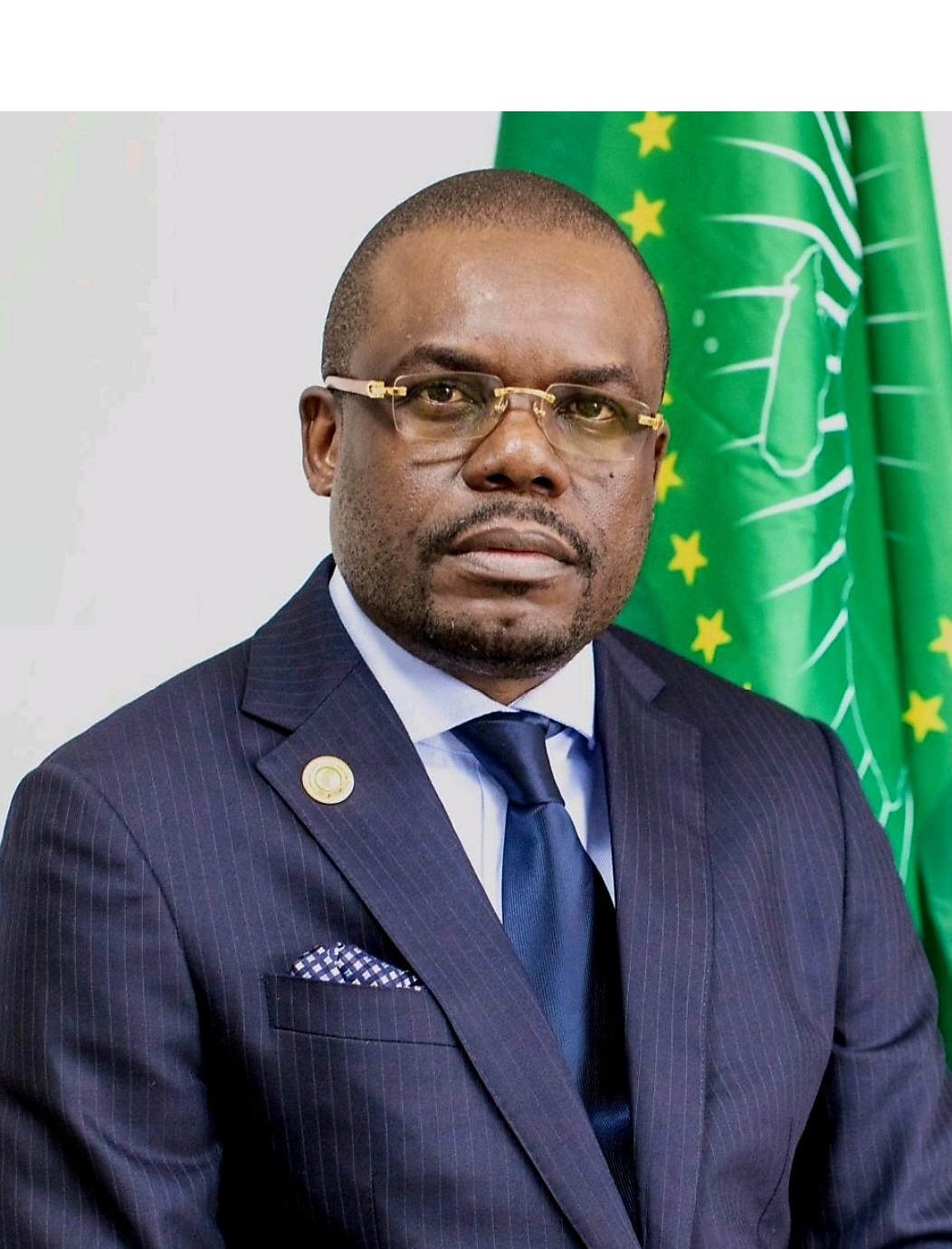
In a sharp and surprising twist, the Director General of the Africa Centres for Disease Control & Prevention (Africa-CDC), Dr. Jean Kaseya, has openly praised Nigeria’s ambitious health reforms — and told other African governments loudly and clearly: “Do better. Do as Nigeria is doing.”
Speaking on day two of the 2025 Joint Annual Review (JAR) of Nigeria’s health sector — under the banner “All hands, one mission: Bringing Nigeria’s health sector to light” — in Abuja, Kaseya held up Nigeria’s Sector-Wide Approach (SWAp) and its newly signed health “Compact” as proof that you don’t need to beg for bailouts forever. You can fix your system, if you’re serious.
Nigeria Isn’t Playing — And Africa Is Watching
Kaseya didn’t mince words. He said Nigeria’s SWAp — which aligns federal, state, donor, and private sector funding — has already “cut inefficiencies, fragmentation, and weak governance.” That’s no small claim. SWAp is the backbone of the National Health Sector Renewal Investment Initiative (NHSRII), an ambitious program designed to overhaul Nigeria’s health architecture.
He also praised Nigeria’s digital moves — including a digital payroll system — and the increasing role of private companies in health. Those reforms, he said, are helping Nigeria raise more domestic funds, shrink waste, and improve coverage.
Kaseya singled out Aliko Dangote for special mention, applauding his push for local production of health goods — calling it “exactly the kind of private-sector investment Africa needs more of, before always looking for foreign capital.”
Sour Diagnosis for Aid Dependency
But the Africa-CDC boss didn’t come just to pat shoulders. He came to diagnose a problem plaguing the continent: over-reliance on foreign aid.
He warned that in more than 20 African countries, over 30% of health spending still comes from foreign donors. In fragile states, that number can creep past 60%. That’s not sustainable. Kaseya argued that reducing out-of-pocket spending for patients won’t work if national systems are weak — what’s needed is a strong, domestic-funded universal health coverage (UHC) system, not a donor lifeline.
That’s where Nigeria’s model matters: SWAp + Compact + domestic resource mobilization + private investment. It shows what’s possible when political will meets systems reform.
But Nigeria Did Not Just Get Lucky
The praise isn’t baseless hype. Key facts back up Kaseya’s optimism:
- Nigeria’s 2024 health budget jumped to ₦1.17 trillion, the highest in its history — and that money is being deployed under the SWAp framework.
- Over 2,100 primary healthcare centres (PHCs) have been revitalized, and another 3,000 are expected to be functional by end of 2025.
- Through the Basic Health Care Provision Fund (BHCPF), about ₦46 billion has been disbursed to more than 8,000 health facilities.
- Nigeria has retrained 53,000 frontline health workers, with a target of 120,000 within three years.
- Nigeria has secured $3 billion in external funds under NHSRII — money being pooled into a unified, aligned system.
These are not just charts on paper. They are real reforms, with real money, driving real change.
But It’s Not Just About Money — It’s About Structure
Kaseya’s praise also hinged on how Nigeria is organizing its health sector differently:
- Health Compact: All 36 states and the FCT signed onto a common health Compact, aligning federal and state priorities with development partners.
- SWAp Coordination Office (SCO): A dedicated structure now drives day-to-day accountability of the reform agenda.
- Innovative Financing: Nigeria is leveraging sin taxes, digital tracking, and blended finance — moving beyond old funding playbooks.
- Local Manufacturing: Drug and medical supply production is shifting back to Nigeria to cut dependency on imports.
Partners and Critics Are Listening
Kaseya’s endorsement isn’t happening in a vacuum. The World Bank and the World Health Organization (WHO) have also publicly supported Nigeria’s SWAp model as a replicable framework for developing countries.
At the same time, Nigeria isn’t relying on external goodwill. The Minister of State for Finance, Dr. Doris Uzoka-Anite, has confirmed that macroeconomic reforms — including excise taxes on alcohol, tobacco, and sugary drinks — are being funneled directly into universal health coverage programmes.
Why This Matters for Africa
Kaseya’s message is blunt: African nations that keep begging donors for scraps while ignoring systemic reform are playing themselves. If your health system is weak, outsourcing its financing isn’t a strategy — it’s a time bomb.
Nigeria’s bet is risky. A trillion-naira budget, a multi-stakeholder compact, digital systems, retrained health workers — it could fail. But so far, it’s not failing. And that’s exactly why Africa-CDC is calling it out as a model.
In the End
Dr. Jean Kaseya didn’t come to Abuja to bury Nigeria’s health system. He came to vindicate its critics, challenge its rivals, and shine a light on a model that might actually work — not just for Nigeria, but for all of Africa.
If African health ministers are listening — and judging by the applause, they are — then Nigeria’s experiment may shape the next chapter of health care on the continent.