
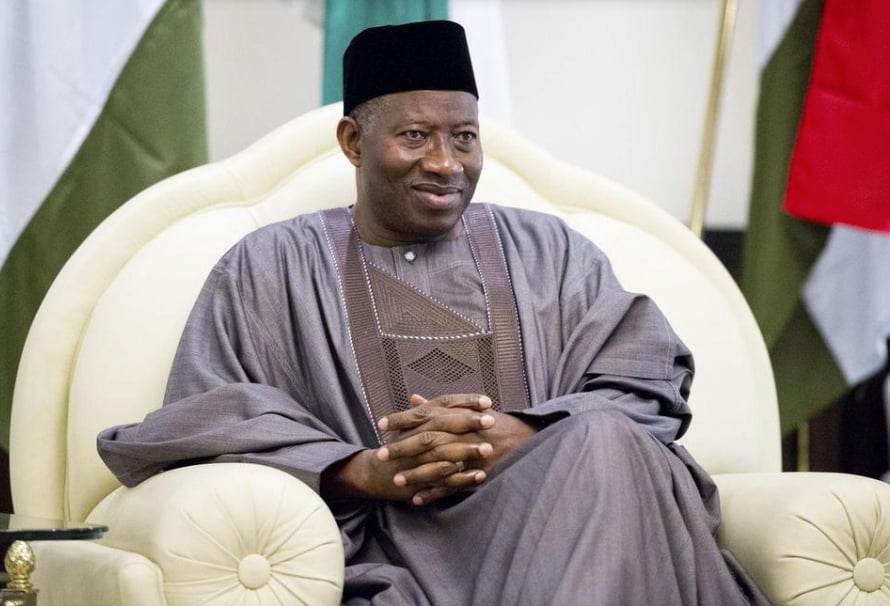
The Nigerian government has issued a fierce condemnation of the sudden military takeover in Guinea-Bissau — and confirmed that former President Goodluck Ebele Jonathan is safe, evacuated, and now back on Nigerian soil following a tense 24 hours in the crisis-hit country.
Coup in Guinea-Bissau: What Went Down
On Wednesday, November 26, 2025, Guinea-Bissau’s military — calling themselves the “High Military Command for the Restoration of Order” — declared they had seized “total control” of the nation. The junta immediately shut down the electoral process, closed the borders, and imposed a strict curfew.
Gunshots thundered around the presidential palace and major government buildings. Panic spread as the electoral commission reported attacks by armed men while security checkpoints multiplied across Bissau.
President Umaro Sissoco Embaló, who was seeking re-election, was reportedly arrested. Opposition figure Domingos Simões Pereira and several senior government and military officials were also detained. The highly anticipated November 23 election results — claimed early by both leading candidates — were never released.
By the next day, the military installed General Horta N’Tam as head of a one-year transition, claiming the move was necessary to prevent “electoral manipulation” and “restore order and stability.”
Nigeria Reacts — Jonathan Safe, Evacuated, and Accounted For
In Abuja, Ministry of Foreign Affairs spokesperson Kimiebi Ebienfa confirmed Jonathan’s safe evacuation, stating that the former president left “with a special flight” alongside members of his election observation delegation, including former ECOWAS Commission head Mohamed Chambas.
Nigeria followed the confirmation with a sharp, uncompromising condemnation of the coup. The government said the military’s action was a clear violation of ECOWAS’ established principles on democratic governance and a threat to regional stability.
Officials demanded the immediate release of all detained government figures, protection of international observers, and the urgent restoration of constitutional order.
Observers Caught in the Storm — and Speaking Out
Jonathan was in Guinea-Bissau to lead a joint election observation mission comprising representatives from the African Union, ECOWAS, and the West African Elders Forum. Others on the mission included former Mozambique President Filipe Nyusi and ECOWAS official Issifu Kamara.
All three issued a firm joint statement describing the coup as an attempt to derail Guinea-Bissau’s democratic process. They affirmed that the November 23 elections were “orderly and peaceful,” praising the professionalism of election officials and security personnel.
The observers warned that detaining election officers and halting the national vote risked disenfranchising the entire population and potentially plunging the country into deeper political chaos.
Why This Coup Matters Beyond Guinea-Bissau
Guinea-Bissau is no stranger to instability. Since gaining independence from Portugal in 1974, the country has experienced multiple coups and attempted takeovers. This latest rupture adds to a long pattern of disruptions that have crippled institutions and eroded trust in governance.
For West Africa, the coup is part of a troubling regional trend where democratic processes are increasingly pressured by military interventions. Each successful coup weakens the collective democratic fabric of the region and emboldens anti-democratic actors elsewhere.
For ECOWAS and the African Union, this development is another test of whether regional bodies can respond with decisive, effective action — not just statements.
Nigeria Signals It Will Not Stay Silent
By ensuring Jonathan’s safe evacuation and taking a hard stance against the junta, Nigeria signaled that it will not sit idle while democracy is hijacked at gunpoint.
Abuja emphasized that it will work closely with ECOWAS, the African Union, and global partners to pressure the junta and push for a prompt return to democratic rule.
What happens next depends on the strength of regional diplomacy — and the willingness of West African nations to defend the integrity of elections and institutions.
The world now watches closely as Guinea-Bissau stands at yet another crossroads.