
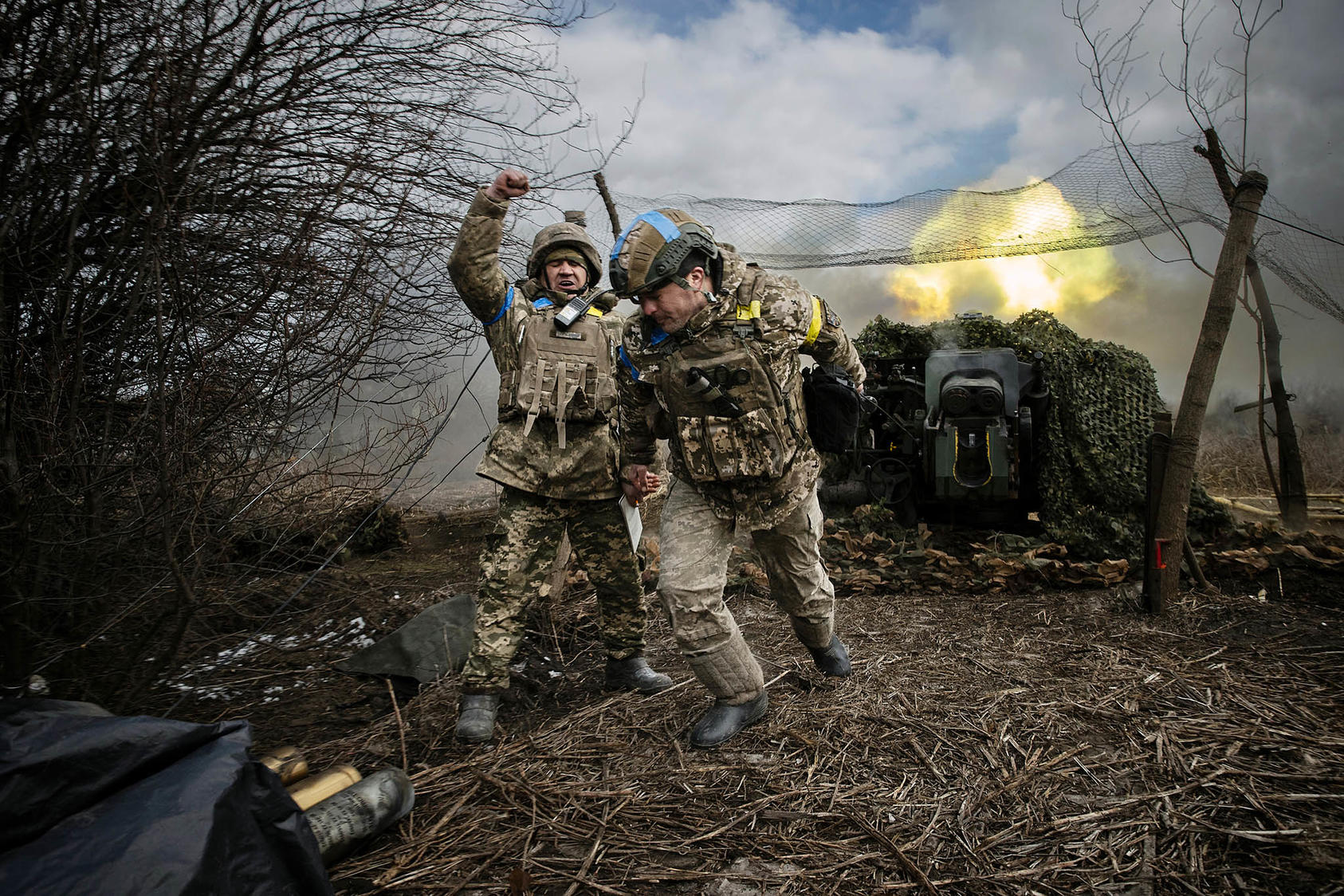
CAPE TOWN – South Africa has launched a high-stakes investigation into how 17 of its citizens ended up in the Russia-Ukraine war, after the young men sent desperate pleas for rescue from the conflict-ravaged Donbas region. President Cyril Ramaphosa ordered an immediate probe after families raised alarm that the men were recruited under the guise of high-paying jobs.
All 17 are aged between 20 and 39. According to the Presidency, the recruits were promised lucrative employment, only to land in an active war zone. The government says it is already working through diplomatic channels to bring them home.
Presidential spokesperson Vincent Magwenya was blunt: “We strongly condemn the exploitation of young vulnerable people by individuals linked to foreign military structures.” The Presidency has not confirmed which side the men were fighting for — Russia or Ukraine — insisting that investigations must reveal the full picture.
What Happened?
- Sixteen of the men are from KwaZulu-Natal, and one from the Eastern Cape.
- They were reportedly lured with promises of training and high-income roles — none of which materialized.
- Once abroad, several claim they were pushed directly toward conflict zones in Donbas, a region largely under Russian control.
- The government has activated diplomatic routes to secure their safe return, though details remain sensitive.
Sources familiar with the families’ accounts say the men believed they were traveling for bodyguard training. That illusion collapsed when they found themselves surrounded by military personnel, weapons, and live conflict.
Illegal Under South African Law
For clarity: this is not legal. South African citizens cannot provide military assistance to foreign forces, act as mercenaries, or join foreign militaries without authorization from the National Conventional Arms Control Committee (NCACC).
The Foreign Military Assistance Act prohibits recruitment, training, logistical support, or direct engagement with foreign armed forces. Anyone participating risks prosecution, and anyone recruiting them risks even harsher penalties. Government officials have already hinted at possible criminal investigations targeting the recruitment networks.
Why Young South Africans Are Being Targeted
Analysts say criminal networks are exploiting South Africa’s high unemployment rate and the desperation that comes with it. These syndicates offer mouthwatering job ads: security work, training programs, or contract roles with “international partners.” In reality, the jobs often don’t exist.
Young men, and increasingly women, fall into these traps. In recent reports, South African women were allegedly tricked into traveling to Russia for hospitality jobs — only to end up assembling drones for the war effort.
A Global Problem
South Africa is not alone. Ukraine’s foreign ministry said more than 1,400 Africans from 36 countries are currently involved in Russian military operations, many having been deceived by fake job offers.
Countries including Kenya, India, Nepal, and Sri Lanka have raised similar alarms about their citizens being recruited under false pretenses into Russia’s war machinery. Many were detained in Russian military camps before any government intervention even began.
A Diplomatic Tightrope for Pretoria
This case places South Africa in a politically delicate position. Officially, Pretoria maintains a non-aligned stance regarding the Russia-Ukraine conflict. But its warm relationship with Moscow, amplified by its BRICS membership, complicates things.
If the investigation concludes that the men fought on behalf of Russia, South Africa may face international scrutiny. If they fought for Ukraine, different questions arise: how exactly did these “jobs” funnel them into direct combat?
For now, the Presidency insists on uncovering the full recruitment network: who contacted the men, who arranged their travel, who received them abroad, and who pushed them toward the frontline.
What Happens Next?
- The official investigation is active and ongoing.
- The government is working via embassies to extract or repatriate the 17 men.
- Families have been urged to remain quiet publicly to avoid derailing sensitive negotiations.
- Legal experts predict law enforcement will pursue anyone linked to cross-border recruitment operations.
This is a dangerous, messy situation — a collision of desperation, deception, and geopolitics. South Africa is now racing against time to bring back its stranded citizens and determine who orchestrated the scheme that landed them in the middle of one of the world’s most volatile battlefields.