
Abuja, Nigeria — A crisis is boiling over for Nigerian students studying abroad under the Federal Government’s Bilateral Education Agreement (BEA). Today (Monday), dozens of scholars and their parents are set to storm the Ministry of Finance in Abuja, demanding months of unpaid stipends that have left many stranded, angry, and desperate.
According to a notice issued by the Forum of BEA Scholars, the protest will begin at 10 a.m. at the Ministry’s headquarters in the Central Business District. Parents, who say they’re stretched to emotional and financial breaking point, will join the demonstration to press the government for answers.
Unpaid Allowances, Growing Despair
BEA scholars say they are owed a $500 monthly stipend, but they haven’t received that in over a year. Some claim they’ve missed up to 11 monthly payments. According to their own statement, the government slashed the 2024 stipend by more than half — down to $220 per month, instead of the agreed $500.
On top of that, the Forum alleges the government still owes arrears dating back to September through December 2023.
Many of the affected students are studying in Hungary, Morocco, China, Russia, and Serbia, and now, they’re reportedly forced to survive on charity, informal work, or worse. Some say they can’t afford meals, let alone housing, medical care, or transport.
The Forum also makes a chilling connection: the death of a Nigerian student in Morocco was linked, in their view, to the financial distress caused by the withheld stipends. They warn sharply — more students are at risk if things don’t change.
What the Government Says — and What It’s Doing
The Federal Government insists it has already paid all “supplementary allowances” up to December 2024. That’s according to the Ministry of Education’s press office.
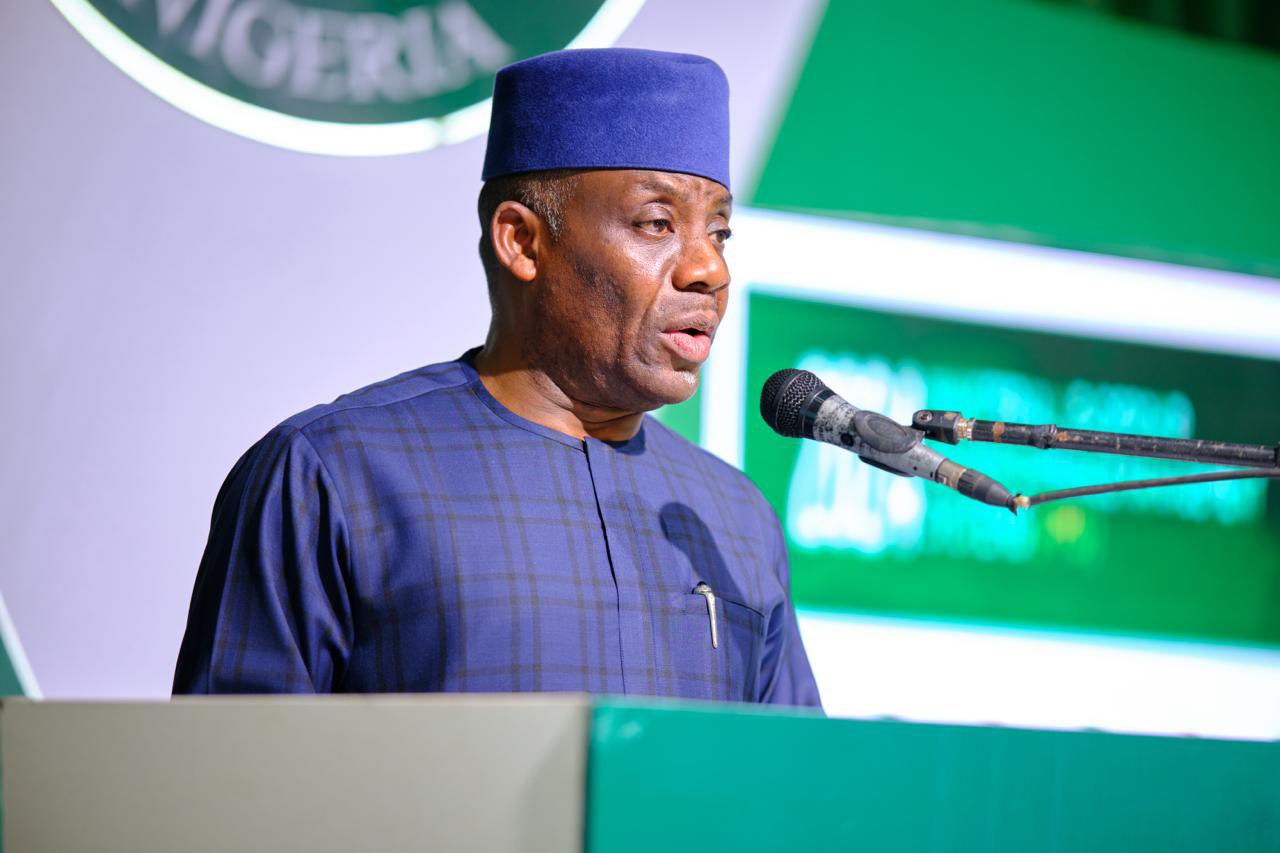
Education Minister Dr. Tunji Alausa, in public remarks, blamed the stipend issues partly on “exchange rate fluctuations,” which eroded disbursements. He’s also asked for extra funding to cover currency-related shortfalls.
But Alausa didn’t stop there. He announced a five-year suspension of the BEA scholarship programme, calling it an inefficient use of public money. According to him, every course BEA students study abroad is now offered — and sometimes even better — in Nigerian universities.
In a statement delivered by Mrs. Boriowo Folasade, the Ministry of Education clarified that while the BEA programme is put on hold, ongoing scholars will still receive support until they complete their studies.
Government Criticisms and the Policy Pivot
Alausa’s case against the BEA scheme is strong — in his view, it’s wasteful. He reportedly rejected N650 million for 60 students bound for Morocco, calling it unfair given the wider context of underfunded domestic students.
He also flagged poor oversight: the government pays for scholars’ travel every year, but there’s little to no tracking of their academic progress. Meanwhile, projections for 2025 showed the government would spend N9 billion to fund 1,200 students abroad — money Alausa argues could be better spent on strengthening Nigerian universities.
Alausa’s solution: redeploy BEA funds to local scholarships he believes will deliver more value, supporting more students across the country.
Government Pushback and Denials
Still, not everyone agrees with the picture painted by the protesting scholars. After reports surfaced about plans to reintegrate BEA scholars into Nigerian universities, the Ministry denied setting up any panel for such a purpose. They insisted that the decision to cancel BEA was strategic, not reactive — aimed at refocusing public resources.
On the other hand, critics argue the government is scapegoating exchange rates and inefficiency to justify slashing support.
What This Means
- For the scholars: This protest isn’t just about money. It’s about dignity, survival, and the broken promises of state sponsorship.
- For the government: The cancellation of BEA marks a hard policy pivot — but whether current beneficiaries are genuinely protected remains contested.
- For Nigeria’s education system: The debate raises fundamental questions about whether public funds should fuel overseas education or be used to strengthen local institutions.
As BEA students prepare to make their frustrations heard in Abuja, the clash exposes a growing fault line — between government cost-cutting and the human toll of policy decisions. For now, these scholars are demanding more than talk. They want justice.