
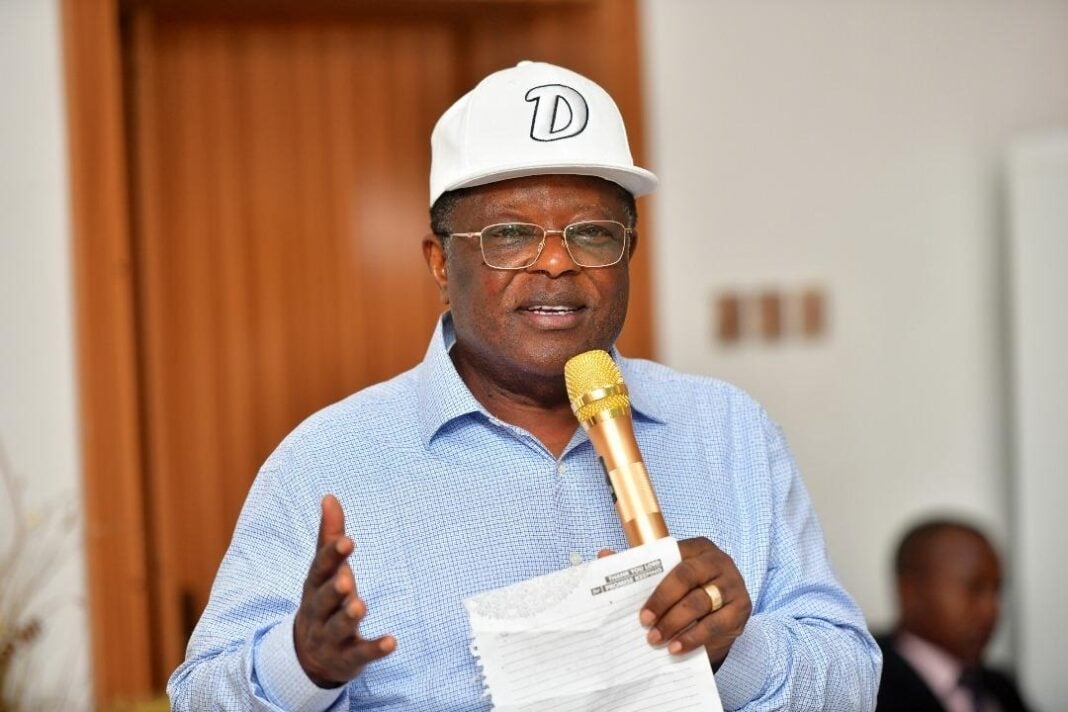
In a blunt, no-nonsense update that demands your full attention, the Federal Government says it will open the first 47-kilometre stretch of the Lagos–Calabar Coastal Highway to traffic in December 2025. This isn’t a vague promise — Works Minister Senator David Umahi pinpoints December 12–17 for the public opening, declaring the government and contractor are locked in to deliver.
What Is Opening — And Why It Matters
This isn’t just any road. It’s Section 1 of a planned 700-kilometre coastal highway that will link nine coastal states, stretching from Lagos all the way to Calabar. Umahi says the government and contractor are dead serious about completing this stretch while still working, and they’ve earmarked April 2026 to finish Section 1 plus half of Section 2, though bridge works will run on a different timeline.
Progress — Reality Check
Umahi’s not sugarcoating things. According to him, Section 1 (about 47.47 km) is only 70% done, despite earlier talk of it being nearly finished. He clarified that some reports misinterpreted his comments — he’s talking about this first phase, not the entire 700 km.
The road will be tolled starting December. Umahi projects a 10-year return on investment, citing revenue from tolls as well as other economic benefits. He also highlighted complementary infrastructure: solar-powered street lights, CCTV, and even potential carbon credit advantages.
The Court Drama — Winhomes vs. FG
Not everything is smooth sailing. Umahi used the inspection tour to lash out at Stella Okengwu, CEO of Winhomes Global Services, whose firm had tried to claim a piece of the coastal route.
- Okengwu alleged that the highway’s alignment was diverted through her alleged residential development in Okun Ajah, Lagos, putting a supposed $250 million investment at risk.
- Umahi fires back that all she built was a “gatehouse” — nothing more — and that documents filed in court prove she sold the land to third parties.
- The Federal High Court struck out her suit, saying she and her company have no standing because they no longer own the land.
- Umahi didn’t hold back: he branded Okengwu a false alarmist, accusing her of spreading “misleading and false claims” meant to scare foreign investors.
Bottom line? The court backed the government. Umahi asked the public to ignore her online allegations about the coastal highway.
Bigger Picture: Why This Road Matters
Here’s why December’s opening isn’t just “another ribbon-cutting”:
- Strategic Link: The coastal highway knits together Lagos, Ogun, Ondo, Delta, Bayelsa, Rivers, Akwa Ibom, and Cross River — unlocking economic potential across the southern belt.
- Economic Corridor: Umahi calls it more than a road — it’s an economic engine. With tolling and land development (tourism, factories, housing), this isn’t philanthropy; it’s investment in Nigeria’s future.
- World-Class Infrastructure: Expect six-lane concrete pavements, modern security infrastructure, and design standards meant to last.
Risks & Skepticism: Don’t Drink the Kool-Aid, Yet
- Some critics argue that commissioning what is still 70% done is political theatre.
- The tolling model raises concerns. While it helps recover costs, everyday Nigerians could feel the pinch.
- Maintenance questions linger: Will the drains hold? Will the CCTV and solar lighting survive misuse or neglect?
Bottom Line
The Federal Government is putting its money where its mouth is — Section 1 of the Lagos–Calabar Coastal Highway is opening to traffic in mid-December 2025, according to Works Minister Dave Umahi. But even as he touts progress, there’s drama: a court has dismissed land claims from Winhomes, and critics are warning that back-slapping might come before the work is truly done.
This isn’t just an infrastructure story. It’s a test of governance, follow-through, and whether Nigeria can build big, transformative things without collapsing under its own hype.