
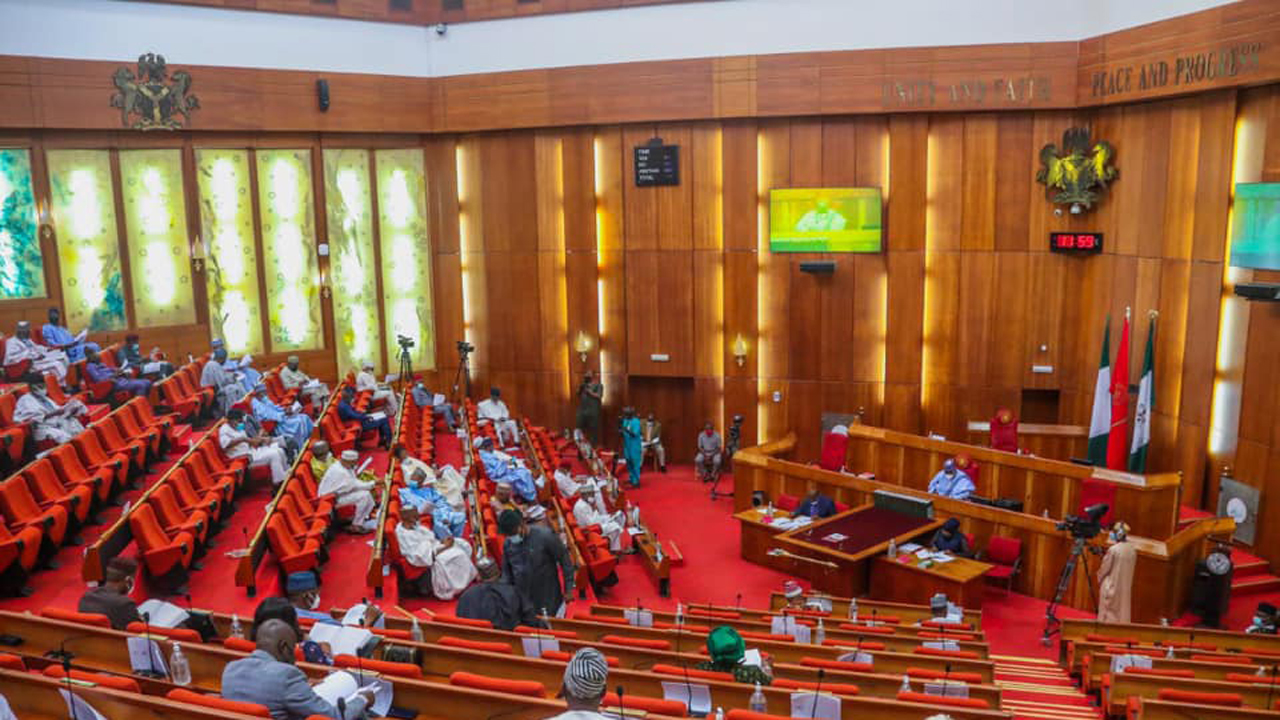
In a make-or-break moment for Nigeria’s democracy, the National Assembly Joint Committee on Constitution Review convened in Abuja on Monday — and they’re not playing games. The final draft of sweeping amendments to the 1999 Constitution is now locked and loaded, with plans to hit the 36 State Houses of Assembly before the December 2025 deadline.
Why this matters: without approval from two-thirds of the states, the whole thing falls apart. That threshold isn’t a detail — it’s the gatekeepers’ lever.
Final Sprint: No New Ideas, Just Decisions
Senator Barau Jibrin, Deputy President of the Senate and chair of the review committee, made it crystal clear: this retreat was not for more debate — it was for closure. “Our meeting today … will be less deliberative,” he said, “The purpose is to approve positions reached previously.”
He called this “the last lap,” stressing that the bills must be transmitted to state assemblies this year.
Over in the House of Representatives, Deputy Speaker Benjamin Kalu echoed that tone. According to him, the phase of public consultations is done. Now comes the hard business: voting. “After today, we move from consultation to legislative action.”
What’s in the Mix: Power, Money, Security, Gender
So, what are they actually tinkering with? Based on multiple sources, here’s a breakdown:
- Power Devolution & State Autonomy: A strong push to move more responsibilities and resources from Abuja down to the states.
- State Police: State-level policing is back on the table — a major shift in how internal security could be organized.
- Fiscal Federalism: Reformers want equitable resource-sharing and better financial independence for subnational governments.
- Electoral Reform: Proposals aimed at improving credibility and responsiveness of elections.
- Reserved Seats for Women: One of the boldest proposals — special women-only constituencies that could add 108 women seats across states.
- Local Government Autonomy: A potential redesign of grassroots governance, shifting more power to the local level.
The Role of the States: Make or Break
Here’s the kicker: all the momentum in Abuja doesn’t mean anything unless the state legislatures buy in.
Kalu didn’t mince words: “The success or failure of this review will not be determined here in Abuja, but in the 36 State Assemblies. You are the gatekeepers of constitutional reform.”
Jibrin also insists that this retreat was structured to bring state lawmakers fully on board before they formally receive the bills.
Power Play: Governors, Speakers, and the Briefing Blitz
To smooth the path, the Joint Committee plans to brief all 36 governors on Wednesday — not to strong-arm them, but to win their backing. Kalu described it as “not undermining executive authority,” but a push to strengthen federalism.
The message to the Speakers of the State Houses of Assembly was equally bullish: return to your states as “ambassadors of reform.” Their role? Essential. They must ratify these amendments for any of this to have teeth.
What’s Next: Harmonisation, Vote, Transmission
Here’s the roadmap from here:
- Sub-committee reports get harmonized into a unified draft.
- The final version goes to both the Senate and House for a vote.
- If passed, the bills are transmitted to the State Houses of Assembly.
- State-level ratification: two-thirds of assemblies must approve.
- Once ratified, the bills head to the President for assent.
Why This Is Historic — and Risky
This is one of the most consequential legislative moments of the 10th National Assembly. The stakes are high: this isn’t just tweaking the 1999 Constitution — it’s a potential rewiring of Nigeria’s political DNA.
Critics may call it too ambitious; supporters will say it’s overdue. Either way, this moment is not symbolic — it’s structural.
But here’s the blunt truth: all this reform energy in Abuja could collapse in the states. If Speakers don’t push, or if governors quietly resist, the entire project could unravel.
And make no mistake — Nigerians are watching. Over 200 million people are waiting to see whether this becomes real reform or another political show.