
If the Abuja–Lokoja highway could speak, it would scream. And not a soft whisper—an angry, exhausted, fed-up scream. After years of delays, excuses, “work in progress” signboards, and motorists suffering in silence, the Federal Government has finally detonated the bomb many citizens have been waiting for: multiple contractors on the corridor have been kicked off their jobs for gross underperformance.
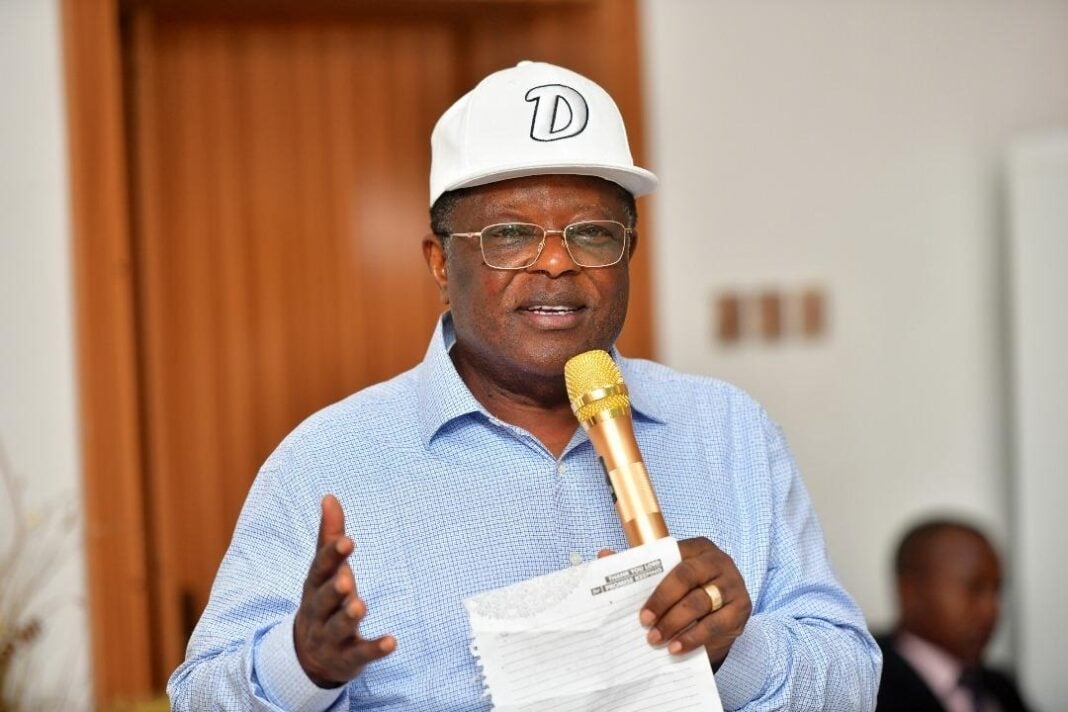
The announcement came directly from the Minister of Works, David Umahi, at a no-nonsense press briefing in Abuja, following a project review meeting held on November 25.
In typical Umahi style, the message was blunt: the government is done babysitting contractors who consume timelines but deliver almost nothing.
A Breakdown of the Axed Contracts — And the Numbers Are Wild
Here are the most staggering figures from the terminated projects:
1. Sadogi Nigeria Ltd – Culverts and Drains (Abuja–Lokoja Section)
Work done: 39%
Project time used: 112%
Outcome: Terminated.
2. Venus Construction Nigeria Ltd – Section 4A
Work done: 33%
Time elapsed: 131%
Outcome: Terminated.
3. CCECC Nigeria Ltd – Okene–Ajaokuta–Itobe Reconstruction
Work done: 2%
Time elapsed: 146%
Outcome: Mutually terminated.
Supervisory consultants were also removed.
4. TEC Engineering Company – Lokoja–Shintaku–Dekina–Ayingba Rehabilitation
Work done: 1%
Time elapsed: 189%
Outcome: Terminated.
Across these sections, the Federal Government essentially said: “Enough.”
Government’s Message: Perform or Pack Your Files
Umahi did not soften the blow during the briefing.
“We cannot continue with projects where timelines have expired but performance remains abysmally low. These contracts are being mutually terminated in the public interest.”
This signals a new era of zero-tolerance for inefficiency in federal road contracting.
Contractors on Notice: Deliver or Brace Up
Some contractors were not terminated but received stern warnings with hard deadlines.
Sailthrough Engineering Services
Handling the frequently flooded Abuja–Lokoja section.
Deadline: December 20, 2025.
The company has already submitted a written commitment.
Geld/Triacta Nigeria Ltd – Dualisation Works (Abuja–Koton Karfe)
Given a seven-day ultimatum to resume work, fix failed sections, and patch potholes to improve traffic flow.
The Bright Spots (Yes, There Are Some)
JRB Construction received praise for maintaining good progress. Umahi insisted that their section must be completed before December 10, 2025.
Trucrete Solutions Ltd, handling the concrete rehabilitation of the Koton Karfe–Abaji bound lane, was described as progressing steadily.
Not everyone on the corridor is failing—and that’s a relief.
Next Steps: Emergency Works Loading
Umahi directed officials to compile all terminated and outstanding works on the corridor for immediate emergency intervention.
This signals a fresh plan to speed up repairs on the 358-kilometre route, one of Nigeria’s most essential economic arteries. Any improvement here impacts traders, transporters, logistics companies, and everyday travelers almost instantly.
The minister also thanked President Bola Tinubu for supporting the highway’s rehabilitation and pushing for accountability in federal road projects nationwide.
A Word to Road Users
For now, motorists will still experience delays, diversions, and discomfort. But Umahi assured Nigerians:
“We appeal to road users to bear with us. These disruptions are temporary. Once the emergency interventions begin, the Abuja–Lokoja corridor will be restored to a safe and motorable condition.”
Nigerians have heard similar assurances before, so skepticism is expected. But the firings, deadlines, and public disclosures indicate movement that cannot be ignored.
Why This Matters
The Abuja–Lokoja route is the heartbeat of North–South movement. When this road fails, everything from food distribution to travel safety suffers. By publicly naming contractors and releasing performance metrics, the Federal Government is signaling a shift toward accountability and transparency.
If this new momentum continues, the Abuja–Lokoja project could become a defining example of how federal infrastructure should be supervised.
For now, Nigerians are watching, waiting, and hoping this long-troubled highway finally gets the attention—and results—it deserves.