
Oyo State has officially fired the first major shot in its quest to reclaim its historic cocoa dominance, approving a bold ₦3,030,292,472 investment for what it calls the Cocoa Rejuvenation Project. The move signals the state’s most aggressive attempt in years to revive an industry that once powered its economy.
The announcement came through a statement signed by the Commissioner for Information, Dotun Oyelade, shortly after a State Executive Council meeting. According to Oyelade, the project will be executed through a Public-Private Partnership involving the Oyo State Agribusiness Development Agency (OYSADA) and the International Institute of Tropical Agriculture (IITA).
Why This Cocoa Push Is Happening Now
Oyo is not entering the field blindly. Oyelade explained that Oyo State currently ranks fourth among Nigeria’s cocoa-producing states. With global cocoa giants like Ghana and Côte d’Ivoire battling production disruptions, the state sees a rare opening to capture market share.
“The state intends to fill the supply void caused by the production challenges in West African cocoa-producing countries,” Oyelade said.
The project carries an estimated cost of $2,075,547 and will be funded in three phases over the next three years.
The Real Question: Can Oyo Deliver?
This is more than a budget announcement — it’s a test of capacity. For years, cocoa output across Nigeria has suffered from aging farmers, aging trees, declining yields, diseases, low funding, and a general lack of modernization.
A 2025 agricultural study in Oyo’s Ido and Oluyole local government areas noted that the average cocoa farmer is around 55 years old with over two decades of experience — a demographic crisis in slow motion. Young Nigerians are simply not entering the field.
Southwest Nigeria still leads the country’s cocoa production, but margins and yields have been shrinking. If this project is to mean anything, the state must overhaul old plantations, distribute improved seedlings, train younger farmers, enforce modern agronomic practices, and ensure continuity.
Money alone cannot revive cocoa — consistent, accountable execution can.
Potential Upside for Farmers and the Economy
If Oyo follows through on its promises, several benefits could emerge:
- Improved output to ease global supply pressure.
- Higher earnings for cocoa farmers, boosting rural incomes.
- More jobs across the cocoa value chain.
- Momentum for Nigeria’s overall cocoa revival as other states may replicate Oyo’s model.
But failure would hurt — not just economically, but psychologically. Another abandoned “revival plan” could crush farmer morale and cement public distrust in government interventions.
Security, Healthcare, and Climate Policy Approvals Also Announced
The cocoa plan wasn’t the only major decision of the meeting. The council also backed the call by South-West Governors for the creation of State Police, citing the declining interest of young Nigerians in joining federal security agencies.
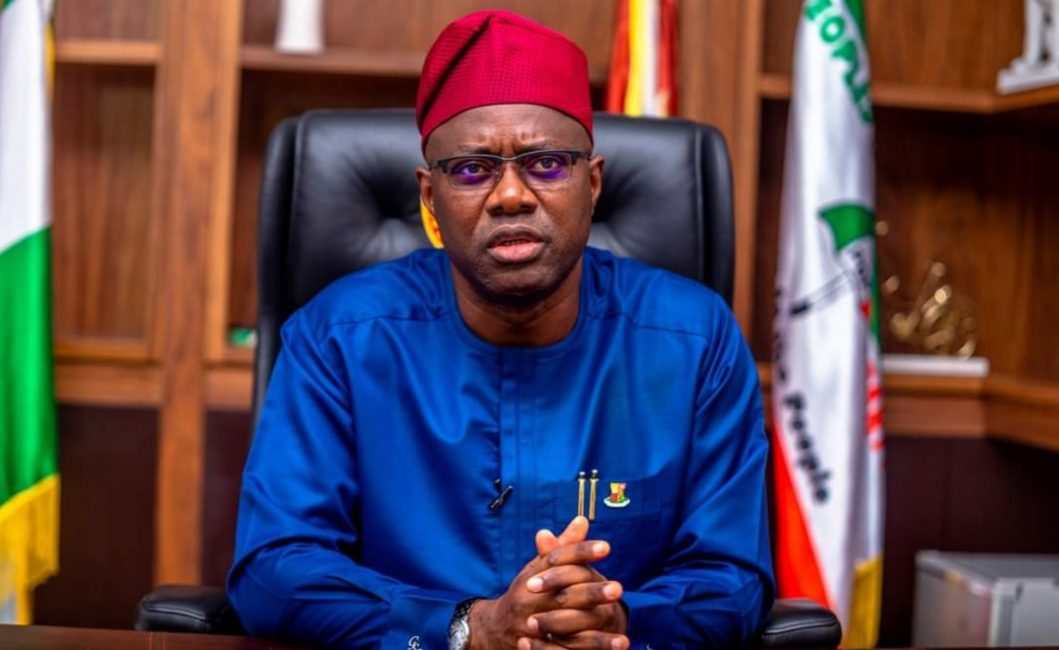
Oyelade revealed that Governor Seyi Makinde’s earlier procurement of two surveillance aircraft has strengthened Oyo’s security architecture, alongside continued investment in the Amotekun Corps.
The council further approved a €50 million loan from the French Government for the Oyo State Healthcare Initiative. The loan, which had been in process for about three years, received final approval from the Federal Ministry of Finance and has also been cleared by the State House of Assembly. The funds will go toward hospital upgrades, modern medical equipment, and other critical healthcare infrastructure.
Oyo also adopted a new Water, Sanitation, and Hygiene (WASH) policy — a move expected to unlock access to funding from the Federal Government, the World Bank, the African Development Bank, and other partners. The policy aims to end open defecation, expand sanitation access, and integrate hygiene education into communities.
Climate Action and Business Reforms Get a Boost
The council approved the establishment of Oyo State Climate Action Plans and Policies, authorizing the engagement of a Green Energy Agency backed by a ₦270 million bank guarantee. This agency will lead the state’s transition into cleaner, more sustainable energy practices.
Additionally, the council approved the Business Enabling Reforms Action Plan for 2026, which is required for participation in the national State Action on Business Enabling Reforms (SABER) programme. Implementation is budgeted at ₦400 million.
All Eyes Now on Execution
Oyo has made its move. The approvals are ambitious, costly, and full of promise. But the real story will unfold over the next few years — whether the cocoa farms actually come alive, whether healthcare facilities truly get upgraded, whether security improves, and whether the state converts policy into real progress.
The cocoa revival plan is the headline, but its success will determine how seriously investors, farmers, and the global cocoa market begin to take Oyo State again.