
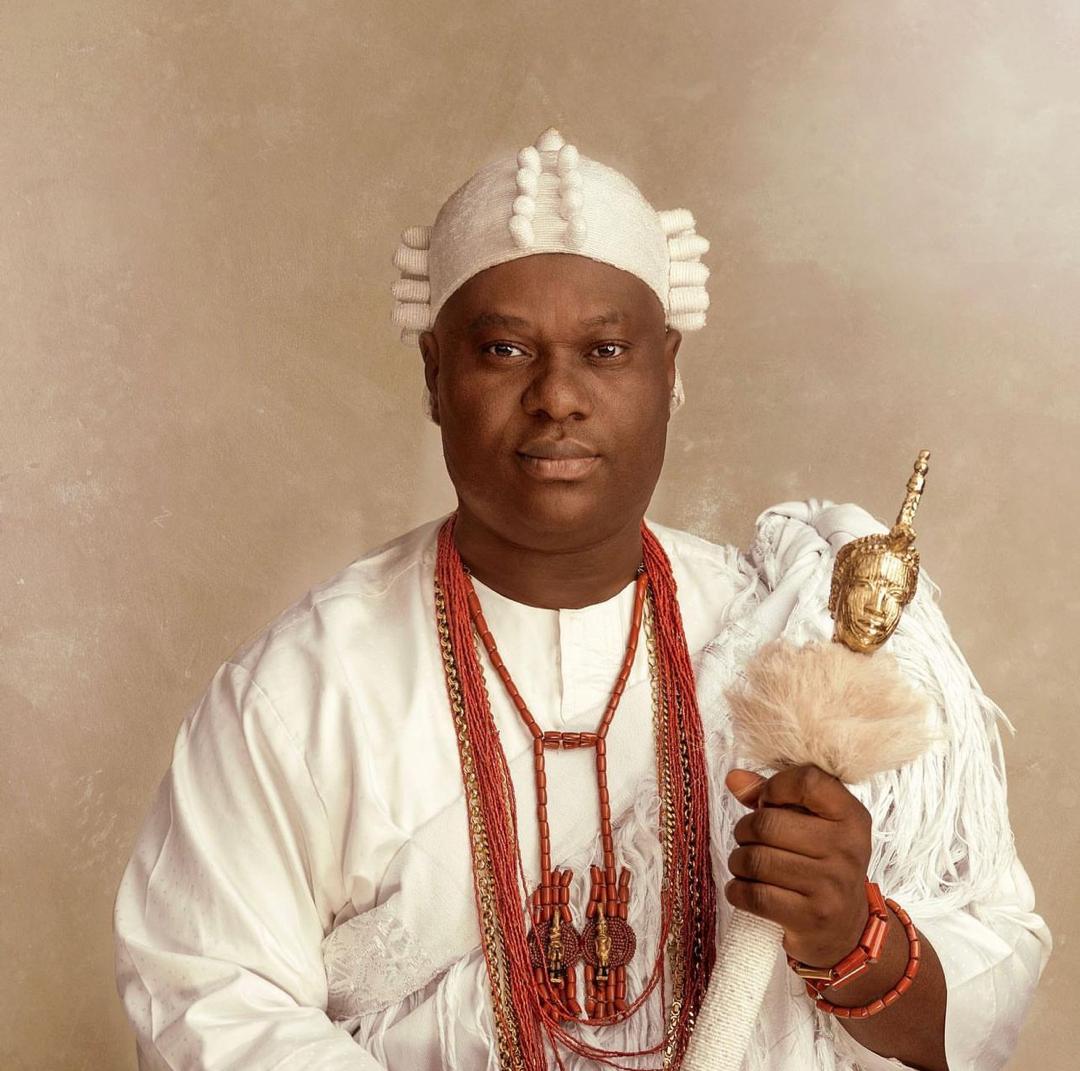
Abuja, Nov 15, 2025 — In a rare and forceful display of political will, traditional rulers from Nigeria’s South-West, led by the Ooni of Ife, Oba Adeyeye Enitan Ogunwusi, have thrown their weight behind a constitutional reform: the Special Seats Bill. They are now calling on the National Assembly to fast-track its passage, arguing that the country cannot continue to sideline women in its legislative assemblies.
The high-level gathering in Abuja, co-hosted by the National Institute for Legislative and Democratic Studies (NILDS) along with a coalition of women’s advocacy groups, marks what many see as the most organized and high-profile push yet for structural gender inclusion in Nigeria’s politics.
“Enough With the Lip Service,” Says the Ooni
Oba Ogunwusi did not mince words. He described the bill as a “long-overdue corrective instrument” and called on legislators to respond not just to political obligation, but to a moral charge: give women a real voice.
“Women produce, nurture and multiply everything we give them, yet we treat them as afterthoughts. It is not fair,” he said.
He went further, demanding that more seats be carved out for women — not as charity, but as justice. According to the proposal, the bill would create six additional Senate seats per geopolitical zone, 37 more in the House of Representatives, and 108 women-only state assembly seats, making it the bare minimum step forward. He called this the “least” Nigeria should do.
With vivid imagery, he captured the absurdity of the present system: Nigeria treats women “like caterpillars that clear the road,” only to bar their way when the path is ready.
He pledged that South-West traditional rulers would do more than talk. “We understand how to speak to our subjects. We will engage them. We are not using force, but appealing with wisdom,” he promised.
Champions at All Levels: From First Lady to NILDS
The Ooni also used the moment to praise First Lady Senator Oluremi Tinubu, calling her the “mother of the nation” for her powerful backing of girls’ education and women’s empowerment. According to him, much of the groundwork being celebrated today can be traced back to the seeds she planted years ago.
Meanwhile, Prof. Abubakar Sulaiman, Director-General of NILDS, framed the campaign in political terms. He highlighted how the bill is being timed to build momentum ahead of constitutional amendment debates. He noted that Nigeria currently ranks among the world’s worst for women’s representation — with less than 5 percent of its legislators being female.
Sulaiman argued that the Special Seats Bill is a temporary but necessary affirmative-action tool. It draws on Nigeria’s existing commitments under global gender-equality frameworks like CEDAW and the Maputo Protocol. He also pointed to other African countries — Rwanda, Uganda, Senegal, Tanzania — where reserved seats have improved policy outcomes, especially in areas like healthcare, education, and social welfare.
Civil Society Echoes the Alarm
Civil society heavyweights at the event underscored how urgent the reform is. Ene Obi, a former ActionAid Country Director and member of the 100 Women Lobby Group, brought a blunt diagnosis: 14 state assemblies in Nigeria currently have no female lawmakers.
She warned that without women on these legislative platforms, issues like maternal health, gender-based violence, and education risk being sidelined entirely.
“In these states, committees on women affairs are chaired entirely by men. How do we expect policies on maternal health or social protection to be addressed adequately when those who understand the pain are absent from the table?” she asked.
Obi didn’t hold back: Nigeria remains among the bottom five countries globally in maternal mortality. Unless women are in the room when the tough decisions are made, she argued, their concerns will never make the agenda.
Recalling recent history, she reminded the audience of the ninth Assembly’s failure: during that session, five gender-related bills — including a version of the Special Seats Bill — were killed. In protest, women camped outside the National Assembly for weeks, enduring the Abuja sun.
She said lawmakers must go further this time, pushing to increase the extra Senate seats from six to eight per geopolitical zone — a clear bid for more proportional, not symbolic, representation.
Collective Resolve to Build Power
Attendees included more than 100 traditional rulers from the six states of Nigeria’s South-West geopolitical zone. By the end of the summit, they pledged to anchor a regional advocacy structure: traditional rulers, legislators, and women’s groups working in concert, backed technically by NILDS.
If passed, the Special Seats Bill could be the biggest structural shift in gender representation Nigeria has seen since independence — a genuine opportunity for the voices of women to stop being an afterthought.
The push by high-level traditional rulers signals a turning point. This isn’t just another civil society rally; it is political pressure with depth and reach. If the National Assembly acts, Nigeria could be on the verge of a transformative rebalancing of political power.