
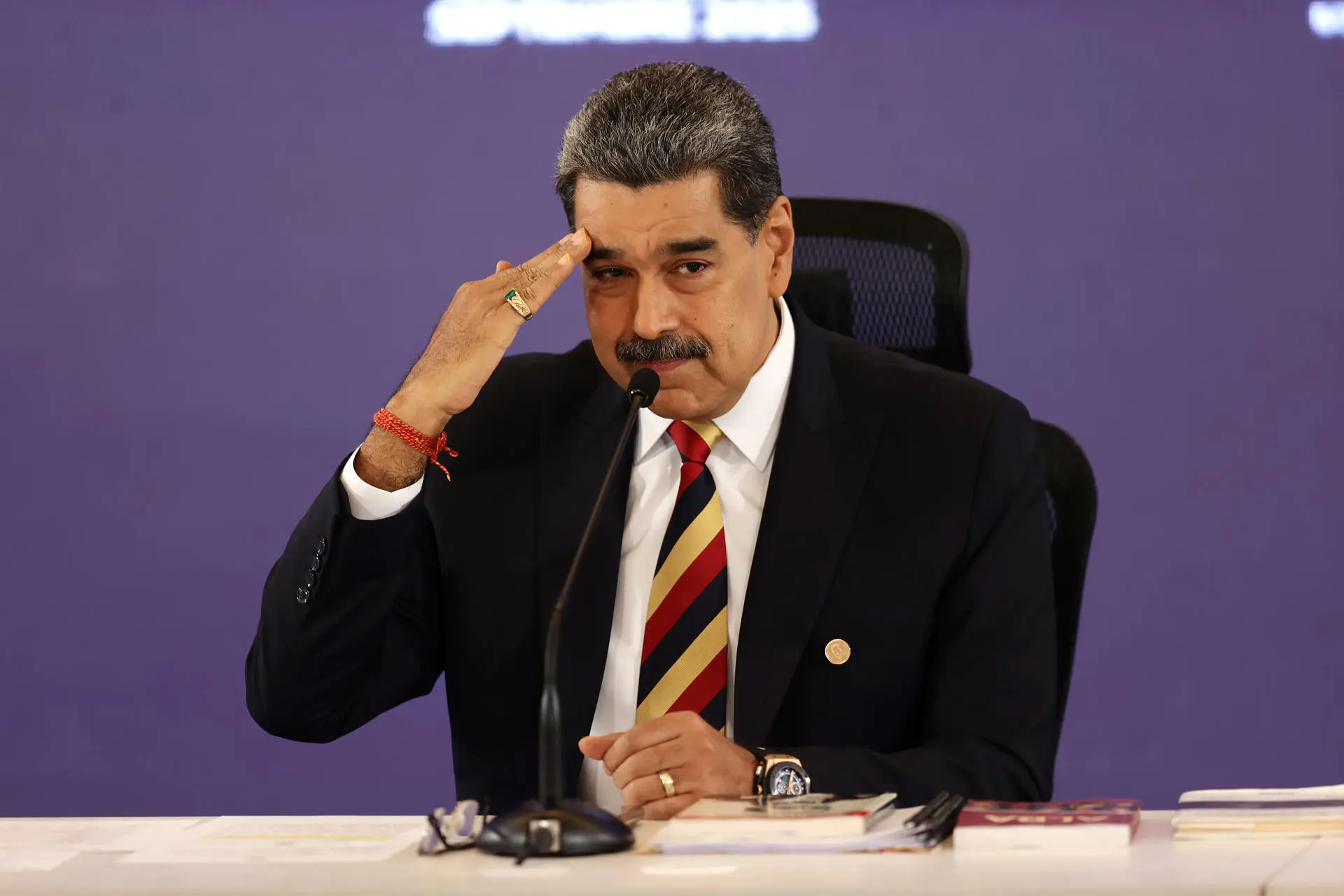
Washington, D.C. — The United States has pulled the pin on a political grenade, announcing plans to officially designate the so-called Cartel de los Soles as a Foreign Terrorist Organization (FTO) effective November 24, 2025. Secretary of State Marco Rubio made the declaration on Sunday, marking one of Washington’s boldest moves yet against Venezuelan President Nicolás Maduro.
The U.S. State Department did not mince words: “Neither Maduro nor his cronies represent Venezuela’s legitimate government.” The Department alleges that the Cartel de los Soles — a network it says is driven by top Venezuelan military and political figures — works hand-in-hand with notorious groups like Tren de Aragua and the Sinaloa Cartel to sow violence across the Americas while pumping narcotics into the U.S. and Europe.
What This Means
1. A Terror Label with Teeth
Once designated, the FTO status activates sweeping legal consequences. U.S. citizens and entities are barred from offering “material support” to the group. Sanctions tighten. Immigration access shuts. The U.S. now gains stronger counterterrorism authority — far beyond ordinary anti-narcotics powers.
2. Military Pressure Rising
This announcement did not appear out of thin air. It arrives alongside a growing U.S. military presence in the Caribbean. The Pentagon recently confirmed its 21st strike on a suspected drug vessel since September, this latest incident leaving three people dead. President Donald Trump, speaking to reporters, hinted that the terror designation could give Washington the legal basis to target Maduro’s assets or infrastructure inside Venezuela — though he left the door open, not fully committing.
“It allows us to do that, but we haven’t said we’re going to do that,” Trump remarked. He added that Maduro’s camp “would like to talk,” without offering details.
3. Congress Has Seven Days
Once the State Department notifies Congress, lawmakers have a one-week window to object. If they do nothing, the designation locks into place automatically.
Why the U.S. Calls It Terrorism
This latest designation follows earlier steps: in July 2025, the U.S. Treasury labeled Cartel de los Soles a “Specially Designated Global Terrorist” organization, accusing it of supporting both Tren de Aragua and Mexico’s Sinaloa Cartel. The Treasury notes the cartel’s name comes from the sun insignias worn by Venezuelan military officials.
The broader legal basis stems from Executive Order 14157, signed in January 2025, enabling Washington to classify international cartels as terrorist organizations. Under that order, Rubio’s State Department has already designated eight Latin American groups as FTOs.
Rubio has insisted repeatedly that these groups must be treated as “armed terrorist organizations,” not just narcotics syndicates.
Not Everyone Buys the Narrative
Critics say Washington’s portrayal of Cartel de los Soles is not universally accepted. Phil Gunson, a senior analyst with the International Crisis Group, has long argued that the cartel is “a journalistic expression” — a shorthand for corruption and drug-related complicity among Venezuelan officials, not necessarily a structured organization.
However, Gunson does acknowledge that drug trafficking networks clearly exist within Venezuela. He points to shipment routes through the Orinoco River, clandestine airstrips, and flights from Apure to Central America — operations he says would be impossible without high-level military or government involvement.
Stakes Rising on Both Sides
For the United States: The designation is a serious escalation. If enforced aggressively, it could justify deeper military engagement and choke off financial pathways tied to Caracas.
For Venezuela: It’s a direct strike at Maduro’s legitimacy. Washington is no longer merely accusing him of corruption or mismanagement — it is placing him and his allies in the same legal category as terrorist networks.
Globally: Anyone — individual, corporation, or government — that knowingly interacts with the alleged cartel risks entanglement in U.S. counterterrorism law.
The message from Washington is unmistakable: the U.S. is reframing its clash with the Maduro government as a counterterrorism mission, not a drug enforcement dispute. What comes next — diplomacy, confrontation, or something far riskier — may redefine U.S.–Venezuela relations for years to come.