
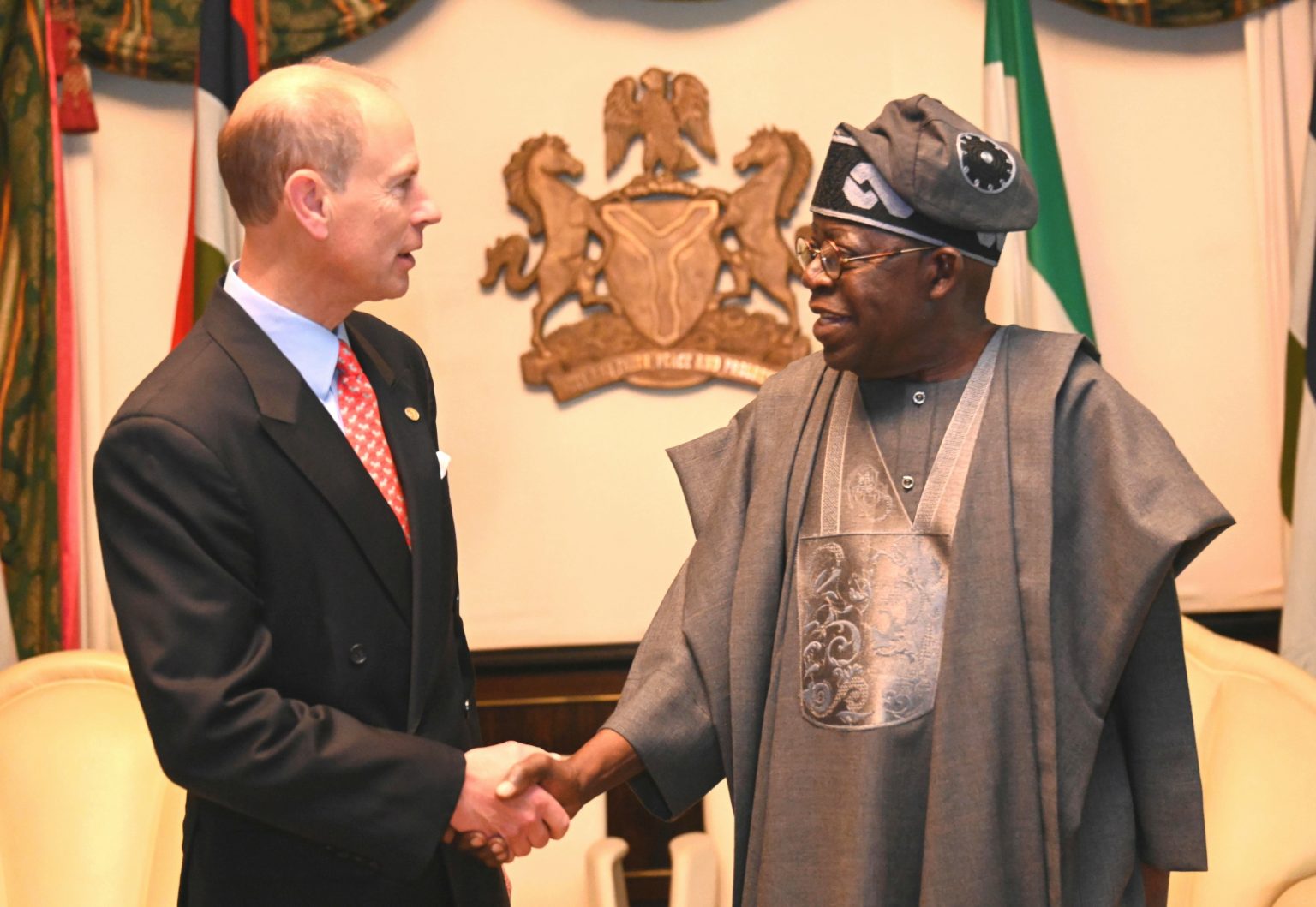
In a no-joke meeting in Abuja on Monday, President Bola Tinubu doubled down: his economic reforms are not just policy fluff — they are his bet on Nigeria’s future — and especially on its youth.
Youth at the Center of the Plan
Tinubu made it crystal: whatever else is going on, young people are non-negotiable in this administration’s vision. While hosting Prince Edward, the Duke of Edinburgh, at the State House, he insisted that reforming economic structures isn’t for the elite alone — it’s for the 17-year-old median-aged Nigeria, the generation that will carry the country forward.
He went further: “We need to strengthen the economy for our youths,” he said, noting that what the government is doing is not charity but deep structural change — growth, prosperity, and opportunity carved around demography and skill development.
Education Reform That’s Actually Getting Real
Tinubu highlighted a special education loan fund — officially the Nigerian Education Loan Fund (NELFUND) — to ensure that admitted students finish school instead of dropping out because of cash problems.
This isn’t some pie-in-the-sky promise. The NELFUND was established under a law signed in April 2024, which provides interest-free support for students.
The President didn’t stop at loans. He said the reforms are integrated across sectors: improving digital infrastructure through nationwide fibre-optics to boost access, making sure young people plug into development.
Security, Infrastructure, Big Picture
Tinubu didn’t shy away from hard realities. He acknowledged that crime and insecurity remain problems — but claimed his government is making “notable results” and thanked humanitarian agencies helping terrorism victims.
He argued that economics and security reforms must go together. That way, not only do you give youth skills and opportunity — you make the country safer, more stable, and more inclusive.
The Finance Chief Chimes In
Standing beside Tinubu, Wale Edun, Minister of Finance and Coordinating Minister of the Economy, echoed the urgency: Nigeria’s median age is 17. Those reforms are not an afterthought — they are structurally aligned to that demographic fact.
Royal Validation — Duke Edward’s Praise
Prince Edward, chairman of the Duke of Edinburgh International Award Foundation, didn’t just come to pose. He praised Tinubu’s reform agenda, saying the international community is watching and giving nods.
He confirmed that 320 Nigerian youths will be honored in a Lagos-based Award ceremony, celebrating their passion, resilience, and service to community.
Accompanying the Duke at the meeting were top-level international and British figures: the British High Commissioner Sir Richard Montgomery, his private secretary Alex Potts, Martin Houghton-Brown (Secretary-General of the Award Foundation), and Mr. Muhoho Kenyatta, Trustee for Africa.
More Than a Trophy — A Global Youth Agenda
This visit aligns with the bigger picture: Nigeria is hosting a major Duke of Edinburgh Award Forum in Lagos from November 17–23, 2025. The forum brings in nearly 200 young people from over 50 countries, leaders, youth organisations, policymakers — a global push for non-formal education, experiential leadership, and youth resilience.
Prince Edward and his team are making it clear: this is not a PR stunt. It’s a strategic play to scale youth empowerment, not just in Nigeria — but across Africa.
Why It Matters (and What to Watch)
- Real Money, Real Loans: The NELFUND is institutional — not a campaign promise.
- Digital Inclusion: Fibre-optic rollout is pitched not just for corporate gains but to bring young Nigerians online.
- Security Reform Backed by Compassion: Acknowledging terrorism and working with humanitarian agencies signals that this government is aware — and, at least by its own account, doing something.
- International Validation: With the Duke’s foundation backing youth development and recognizing hundreds of youths, Nigeria’s reform narrative gains soft power and legitimacy.
- High Stakes for Young People: With a median age of 17 and reforms tailored to them, this could be a turning point if execution matches rhetoric.
Bottom Line: Tinubu isn’t just selling a youth narrative. He’s doubling down on it: real loans, infrastructure, and global partnerships. But rhetoric won’t cut it — what counts is whether Nigerian youth actually feel these reforms in their daily grind.
If this works, it’ll be more than a legacy play — it’ll be a structural reset.