
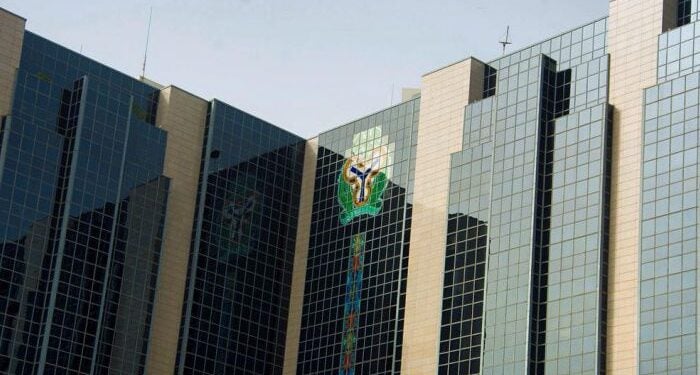
In a blistering indictment, the Office of the Auditor-General of the Federation has accused the Central Bank of Nigeria (CBN) — under former Governor Godwin Emefiele — of re-circulating ₦29.77 billion worth of banknotes the bank itself had tagged as “Counted Audited Dirty.” Yes — notes officially certified as unfit were allegedly pushed back into the economy, openly violating the CBN’s own Clean Note Policy.
This bombshell appears in the Auditor-General’s 2022 Annual Report on Non-Compliance and Internal Control Weaknesses in MDAs. The findings reveal that several CBN branches — Abuja, Lagos, Bauchi and Jos — released the condemned notes between April and December 2022.
Breakdown of the re-circulated dirty cash:
- Abuja: ₦28.615 billion between October and December 2022.
- Lagos: ₦970 million in December 2022.
- Bauchi: ₦30 million in April 2022.
- Jos: ₦50 million on May 16 and ₦100 million on May 27, 2022.
The report bluntly states: “Counted Audited Dirty banknotes amounting to ₦29,765,000,000.00 were re-circulated into the system by the Central Bank of Nigeria.” This directly breaches the Clean Note Policy (Version 0.1, 2018), which clearly mandates that only authenticated, fit notes may re-enter circulation — while unfit notes must never be released by either the CBN or commercial banks.
Internal Control Failures or Willful Neglect?
Auditors didn’t soften the blow: they traced this breach to serious weaknesses in the CBN’s internal controls. The warning is stark — reputational damage, reduced note durability, and a currency management system slipping into disarray.
When questioned, each implicated branch offered a different excuse:
- Abuja blamed COVID-era disruptions and cash scarcity.
- Lagos cited Christmas season cash demand.
- Jos pointed to military and security-related cash needs.
- Bauchi denied issuing unfit notes at all.
The Auditor-General rejected every explanation as “not satisfactory,” maintaining that the findings stand until proper corrective steps are taken.
The recommendation? Summon the CBN Governor before the National Assembly’s Public Accounts Committees. And if the explanations collapse under scrutiny, apply sanctions under the Financial Regulations — the same rules that prescribe penalties for gross misconduct.
The Burning Vaults: ₦3.57 Billion in Condemned Notes Still Undestroyed
As if re-circulating dirty notes wasn’t alarming enough, auditors uncovered another ticking bomb: huge amounts of condemned notes sitting idle in CBN vaults long after being marked unfit for circulation.
- 997 boxes of ₦10 notes (₦99.7 million), declared unfit in November 2021, were still untouched as of October 2023.
- 695 boxes of ₦500 notes (₦3.475 billion), processed between October and November 2022, also remained undestroyed.
That’s ₦3.57 billion worth of condemned cash left piling up — a recipe for pilferage, losses, and further rot in the currency management system.
The CBN claimed briquetting (compressing notes for destruction) was underway, but auditors dismissed the response and held their position firmly.
Bigger Picture: The Naira Redesign Backdrop
The timeline of these revelations aligns with the turbulence of the 2022 naira redesign — an initiative that triggered a nationwide cash crunch, sparked court battles, and ultimately forced a Supreme Court extension of old note validity.
Although the report doesn’t personally indict Emefiele, it places accountability on the CBN’s leadership during his tenure for violating internal controls and mishandling core currency protocols.
Meanwhile, the former CBN Governor is already entangled in multiple prosecutions, including a 19-count fraud case in Lagos, a 20-count procurement case in Abuja, and additional corruption and forex-allocation charges across various courts.
Where This Leaves Nigeria
The Auditor-General’s findings paint a disturbing picture: re-circulated unfit notes, delayed destruction of condemned ones, fractured internal controls, and a central bank struggling — or refusing — to follow its own rules.
If the National Assembly moves as recommended, top CBN officials will have to answer publicly for these breaches. And as Nigerians continue to grapple with the aftershocks of the naira redesign fiasco, trust in the apex bank hangs in the balance.