
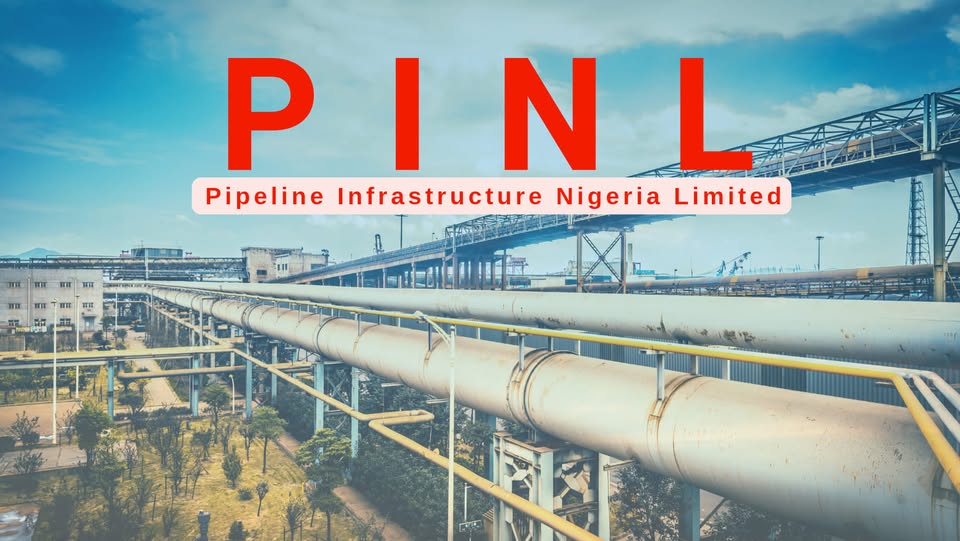
In a striking development, Pipeline Infrastructure Nigeria Limited (PINL) — the company charged with protecting the Trans Niger Pipeline (TNP) — has announced a formal partnership with the National Drug Law Enforcement Agency (NDLEA) to run a youth-targeted drug-abuse sensitisation campaign across the Niger Delta.
The revelation came during PINL’s recent monthly stakeholders meeting in Bayelsa State, where Dr. Akpos Mezeh, PINL’s General Manager of Community & Stakeholders Relations, held nothing back. According to Mezeh, this push isn’t just corporate fluff — it’s a response to a clear demand from community leaders worried about rising drug addiction and its corrosive effect on social order and pipeline security.
“We heard the appeal from our royal fathers regarding youth moral reorientation and drug abuse,” Mezeh said, emphasising that the campaign will go beyond mere lectures. The programme, he added, will integrate security ethics and productive behavior alongside anti-drug messaging.
Surveillance, Engagement and Loud Voices
PINL is not only preaching — it’s doing. The company has brought in town criers across its 215 host communities (in Rivers, Bayelsa, Imo, and Abia states) to act as the frontline of communication. One man and one woman per community are tasked with spreading verified security alerts, NDLEA-led drug awareness, and early-warning intelligence.
The model seems to be working: Mezeh disclosed that community-based intelligence has jumped from 10.5% to 68%, signaling a deepening trust between the company, traditional rulers, youth groups, and community contractors.
The Scorecard: No Vandalism, More Trust
Here’s where it gets real: According to Mezeh, PINL has sustained zero infractions along the TNP corridor in recent weeks, which has enabled uninterrupted oil and gas production. That’s not hyperbole — pipeline vandalism attempts have dropped by over 87% since 2022.
The reduction is being credited to ramped-up community engagement, trust-building with local institutions, and expanded surveillance.
Expansion, Awards, and Pro-Bono Security
PINL is also going beyond its original role. The company recently expanded its surveillance operations — pro bono — to cover all oil and gas assets near the TNP, even those not strictly in its mandate.
The Biseni community in Bayelsa has been officially added to its security network, with plans underway to bring in more host communities.
Notably, PINL’s efforts haven’t gone unnoticed. The company recently received an Award of Excellence on Community Engagement and Environmental Sustainability from the Orashi Peoples Congress (OPC), recognizing its role in curbing pipeline vandalism along the corridor. Mezeh stressed that the award belongs equally to the traditional rulers, youth structures, and community leaders who have contributed to the shared progress.
Development as a Weapon for Peace
For the Niger Delta to be peaceful, the regions that feed Nigeria’s oil wealth must feel included in its development. That’s the message both the community and their leaders are sending.
His Royal Highness, Chief Theophilus Moses, Chairman of the Ijaw National Congress (INC) Western Zone, praised PINL’s technical and social interventions, promising INC’s full support in quelling oil theft and sabotage.
Meanwhile, King Bubaraye Dakolo, Chairman of the Bayelsa State Traditional Rulers Council, didn’t mince words: without deliberate investment in creekside communities and local infrastructure, no amount of security talk will bring lasting peace.
Robert Igali, Director-General of the Bayelsa Youth Development Centre, urged young people to leverage PINL’s empowerment initiatives — from scholarships to business assistance — and turn them into real opportunities.
Why This Matters
This partnership isn’t just about protecting pipelines. It’s about protecting the future of the Niger Delta. When young people are plugged into education, jobs, and genuine community ownership, they’re far less likely to turn to drugs, crime, or sabotage.
But none of this is automatic. PINL’s strategy depends heavily on community trust. If grievances like unemployment or environmental neglect resurface unchecked, these gains could evaporate fast.
Dr. Mezeh’s push for broader inclusion, transparency, and deeper engagement is a bet that when communities become co-guardians of their future, pipeline protection becomes more stable.
Simply put: PINL is not only guarding pipelines — it’s trying to reshape how security and development intertwine in the Niger Delta. Whether this “pipeline + youth + drug fight + community” model stands firm or falls apart will be one of the most critical stability tests for the Eastern Corridor.