
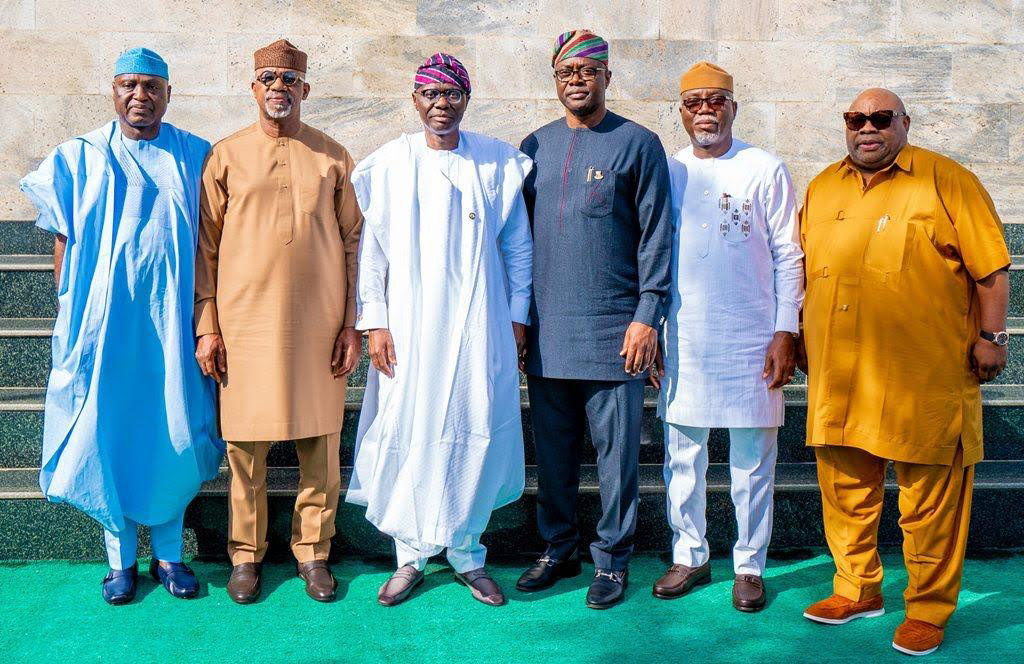
In August 2025, the Ministry of Regional Development (MRD) under the Abubakar Momoh-led cabinet formally inaugurated the governing boards and management teams of three regional development commissions covering the South-West, South-South and North-Central zones. (fmino.gov.ng) The aim: to unlock “balanced and inclusive growth” — a phrase that has become all too familiar in our national discourse.
But beneath the swoosh of official fanfare lies a question: Are these commissions going to deliver — or simply add another layer of bureaucracy and opportunities for mischief?
The Promise — and the Suspicion
The MRD told the newly minted boards to align with the federal priority areas: economic reforms, agriculture, energy and natural-resource management, infrastructure, education, health and social welfare. (fmino.gov.ng) They were also charged to “rebuild trust in governance by embracing transparency, fairness and inclusiveness” via collaboration with states and the private sector.
On paper, the logic is strong: give regions their own commissions, make them compete for growth, reduce disparities. The regional commissions are funded by the federal government — since they were created by the federal law — but they can (and should) raise additional revenues from services rendered or value created.
Yet: the optimism here is tempered by very real past failures.
The Red Flags: History of Regional Commissions Gone Wrong
Take the Niger Delta Development Commission (NDDC). It was designed to be a model of regional growth — but, according to multiple investigations, it turned into what many call a “cesspool of corruption.” (punchng.com) A civil society group discovered N₦90.9 billion unaccounted for in 176 contracts awarded by the NDDC between 2008 and 2018. (accountabilitylab.org) In 2025, the Socio-Economic Rights and Accountability Project (SERAP) publicly demanded that the long-awaited forensic audit report of NDDC be published, warning that hiding it “undermines public trust.” (serap-nigeria.org)
This track-record raises a haunting question: What guarantees do we have that these new commissions won’t fall into the same trap?
Early Evidence of Trouble
Some of the regional boards seem to have taken a soft landing: launched with announcements — but little visible action yet. Among the zones, cooperation from state governments appears patchy; some states view the commissions as interlopers sniffing at their funds. The risk is duplication, rivalry, fragmentation.
One of the MRD’s own instructions flagged this: the commissions’ projects must not compete with federal or state government projects. Instead, they should handle region-wide or inter-state initiatives, based on a development plan and performance bond before fund release. (punchng.com) In other words: show your plan, show your boundaries, prove your worth — before you touch the money.
Focus Zone: South-West — Good Model, Weak Follow-Through
In the South-West, there was a model ready: corporate soak-up around the O’dua Group, regional education & health structures, and the celebrated security outfit Amotekun Corps. But the actual record has wilted under friction among state leaders, lack of coordination and an “every man for himself” attitude.
The region’s leadership appears to have lost a previous collective vision. The growth of industrial parks, commercial clusters and in-school enrolment has stagnated. The regional commission here could have revitalised that — but only if it’s backed by real collaboration.
What Needs to Happen — and Fast
- Publish the Commission’s Plan — each regional commission should make its blueprint public before major funds are released. (The MRD said so.)
- Clear Boundaries — separate state projects from regional-commission projects. Let citizens know who is doing what.
- Transparent Funding & Accountability — the commission must have some independent decision-making power, but also be held to account if it fails to deliver.
- Inter-State Projects First — roads, rail links, power for regional SMEs, value-chain hubs. These are the “region-wide” initiatives that states may not easily do alone.
- Sanctions for Failure — if a commission underperforms, there must be consequences. This is not optional if the purpose is real.
Verdict — Cautious Optimism, but No Excitement
Yes, the regional commissions could open a new chapter: better regional balance, stronger infrastructure, empowered zones. But unless the federal government, state governments and local stakeholders all make serious commitments, the story could simply replicate the old pattern: big announcements, subtle inertia, funds captured instead of transformed.
For the average Nigerian — supplies of power, better roads, job-creating industry clusters — outcomes matter far more than inaugurations. If citizens monitor these commissions and demand accountability, we may still see a real turning-point. If not, this may just become another institutional “fix” that doesn’t fix much.
As the boards settle in and the plans are drawn, the true test begins: Do the commissions act, or just exist? We’ll be watching.