
In a bracing admission today, the Federal Government of Nigeria confessed that more than 45 million Nigerians still practice open defecation — and pledged to end this public-health disaster by 2030.
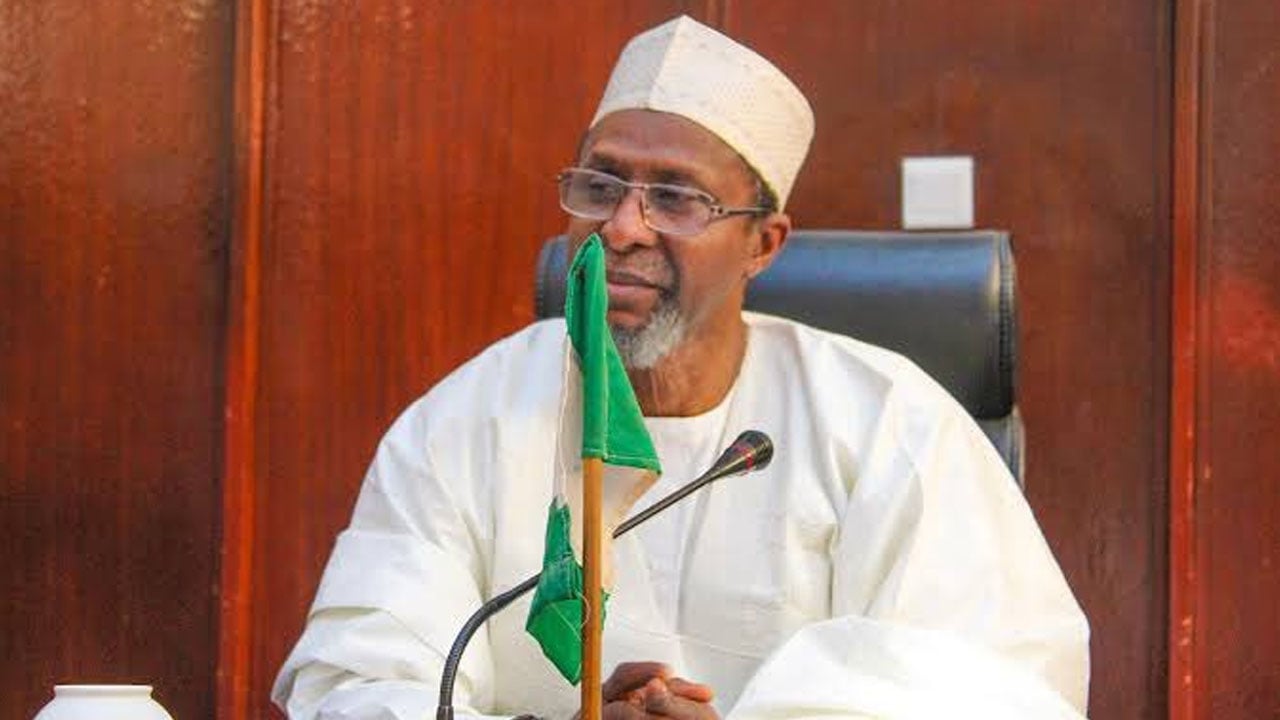
The revelation came from Minister of Environment, Balarabe Lawal, speaking at a press briefing to mark World Toilet Day 2025. He was represented by the ministry’s Permanent Secretary, Mahmud Kambari. This year’s theme, “Sanitation in a Changing World,” with the blunt tagline “We’ll Always Need the Toilet,” underlined just how urgent the crisis has become, especially in the face of climate change, urbanisation, and widening inequality.
Shocking Numbers, Real Consequences
Lawal did not sugarcoat it: toilets are not luxuries — they are lifelines. He stressed that safe sanitation prevents disease and protects dignity. Yet, billions around the world lack basic access: 4.2 billion people globally live without safe toilets, he said. Here at home, an estimated 45 million + Nigerians still have no choice but to defecate in the open.
Even more damning — only about 25 percent of Nigerians have access to “safely managed sanitation,” according to the government.
Worse still, Lawal warned, schools, health facilities, and public institutions often lack functional toilets. Or when toilets exist, they’re poorly maintained. In many places, sewage runs uncontrolled into rivers and streams, turning our waterways into disease vectors.
He listed the usual consequences: cholera, diarrhoea, typhoid, and intestinal worm infections — killers that hit children under five the hardest.
But Wait, Didn’t We Already Promise This?
Yes — in 2019, President Muhammadu Buhari signed Executive Order No. 009, declaring a “State of Emergency” on Water, Sanitation & Hygiene (WASH) and setting the goal of making Nigeria open-defecation-free by 2025. That target has now been quietly shifted to 2030.
Still, Lawal said the government remains committed. He noted that authorities have updated the 2005 National Environmental Sanitation Policy, including guidelines for safe excreta and sewage disposal.
Health Experts Sound the Alarm
At the same event, Dr Bahijjahtu Abubakar, Director of Pollution Control & Environmental Health, warned that leaving tens of millions trapped in poor sanitation conditions is a ticking health bomb. She stressed that women, children, and vulnerable groups suffer the most.
Abubakar Kende, Secretary General of the Nigerian Red Cross, described sanitation as a basic human right. He highlighted persistent issues such as poor funding, cultural barriers, and climate stress.
Oyo State Steps Up (or Tries To)
In Oyo State, the State Rural Water Supply & Sanitation Agency (OYORUWASSA), working with UNICEF and toilet-innovation brand SATO, used World Toilet Day to push for more investment in climate-resilient sanitation.
Alhaji Babalola Afobaje, Chairman of OYORUWASSA, reminded participants that toilets are not optional but life-saving infrastructure. The state set an ambitious goal: end open defecation by 2028, beating the federal target by two years.
Mr Adeniyi Adeduntan, General Manager of OYORUWASSA, added that poor sanitation particularly harms women and girls, exposing them to abuse, illness, and school absenteeism — especially during menstruation.
Innovation, Awareness, and Shame
Mr Victor Oyejide, co-founder of Recycledge and Partnership Lead at Young Water Professionals, delivered a strong keynote calling for continuous education and creative sanitation solutions.
He highlighted the struggles of schoolgirls who miss classes during their periods because their schools lack proper WASH facilities. He pushed for government and private-sector investment in both mobile and static toilet systems.
The Road Ahead: Ambition vs Reality
The FG’s 2030 pledge to end open defecation is bold and necessary — but whether it succeeds remains the big question. The missed 2025 target shows how complex the challenge is.
UNICEF estimates that Nigeria must build around 20 million toilets by 2030 to truly eliminate open defecation nationwide. That’s a colossal task, but given how many people still squat in the open, it’s unavoidable.
Open defecation is a public health disaster, a dignity crisis, and a national embarrassment. The government says it is ready to fix it. Time will tell if the action matches the ambition.