
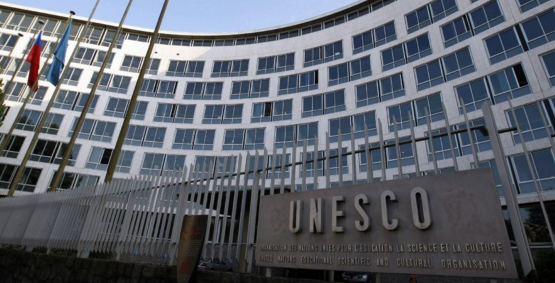
In a wake‑up call for poverty and conservation, UNESCO, together with Nigeria’s Forestry Research Institute (FRIN) and the National Park Service, has rolled out a training programme to help 2,500 families in the Omo Biosphere Reserve, Ogun State, launch nature‑friendly businesses.
The bold push comes under the banner of the Nigeria–UNESCO Biodiversity Business Project, targeting poverty reduction through green enterprises — piggery and fish farming being the main focus. The money driving this is from the India–United Nations Development Partnership Fund.
Who’s Involved — And Where
The beneficiaries come from 10 communities inside the reserve, including Aba Kurudu, Oshoko, Owode, Abeku 1, Etemi, Apora, Akorede, Sojukorodo, Eseke, and Mokore — areas under pressure from deforestation and unsustainable forest use.
On the ground, the team includes Zacharia Yaduma (DG of FRIN), as well as Tayo Oyelowo, lead focal point for the Omo Biosphere Reserve. They spoke early in the training about turning conservation into commerce. Yaduma called it “nature‑based businesses that enhance local resources, alleviate poverty, and encourage sustainable production methods.”
What They’re Teaching — And Why It Matters
Participants are being drilled on how to run piggery and fish farming operations — business planning, bookkeeping, and environmental management included. The goal? To reduce pressure on the forest by giving communities viable, eco-friendly income sources.
In addition, there’s a serious play on environmental education. Yaduma emphasized that the project isn’t just about business — “by equipping participants with management and entrepreneurial skills, we promote long-term stewardship of the ecosystem.”
Jean‑Paul Abiaga, Head of UNESCO’s Abuja office, stressed their commitment to making the project work at scale: “We are working closely with the Nigerian government … to ensure the successful implementation … which will have a positive impact on livelihoods … in the Omo Biosphere Reserve and beyond.”
Government Buy-In
The Minister of Environment, Balarabe Lawal, endorsed the initiative as a key plank in Nigeria’s sustainable development ambitions. At the same time, Ogun State Governor Dapo Abiodun reiterated that this is not just another “save the trees” stunt — it’s a long-term strategy for economic upliftment within the state.
Bigger Picture: Poverty, Biodiversity, and Green Economy
This isn’t a random charitable throw‑down. The project aligns with UNESCO’s Man and Biosphere (MAB) programme — which views biosphere reserves like Omo as “living labs” where conservation and livelihoods can coexist.
It falls under a proven model called GEBR (Green Economy in Biosphere Reserves), designed to fight poverty by diversifying how people make a living in fragile ecosystems. For example, past GEBR models include beekeeping, snail farming, mushroom cultivation, carbon sequestration projects and more.
What the Communities Think
Residents who attended the initial sessions are not quiet about their excitement. According to reports, Ogun local participants said the training gave them something solid — a way to earn money without stripping their forest of its value.
Meanwhile, in a related UNESCO training for communities in Cross River’s Oban Biosphere Reserve, participants called on their government to back the biodiversity‑business push not just with words, but with sustained action.
One key takeaway: without community-level support for greener livelihoods, the forest isn’t just threatened — it’s being commodified by outsiders.
Why This Matters
- Economic leverage for conservation — This is not charity. It’s economic empowerment with a conservation twist.
- Climate and biodiversity impact — By encouraging fish farming and piggery grounded in sustainability, overreliance on destructive forest practices goes down.
- Development with dignity — For once, “development” isn’t about industrializing or bulldozing lands. It’s about helping people make a living while protecting their heritage.
The Risk
It’s not all sunshine. Training is one thing; long-term business success is another. These communities will only benefit if they can scale, access markets, and sustain their operations. That demands more than a workshop — it demands follow-through, infrastructure, and real integration with conservation goals.
Bottom Line
UNESCO’s biodiversity‑business push in Omo Reserve is big — not just in terms of money, but in the ambition: turning vulnerable forest communities into stewards and entrepreneurs. It could be a blueprint for how conservation and development can be serious partners — not enemies.